What Is a Vacuum Food Sealer Machine and How Does It Work?

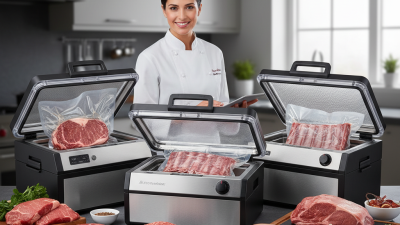
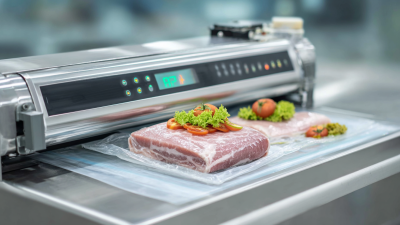
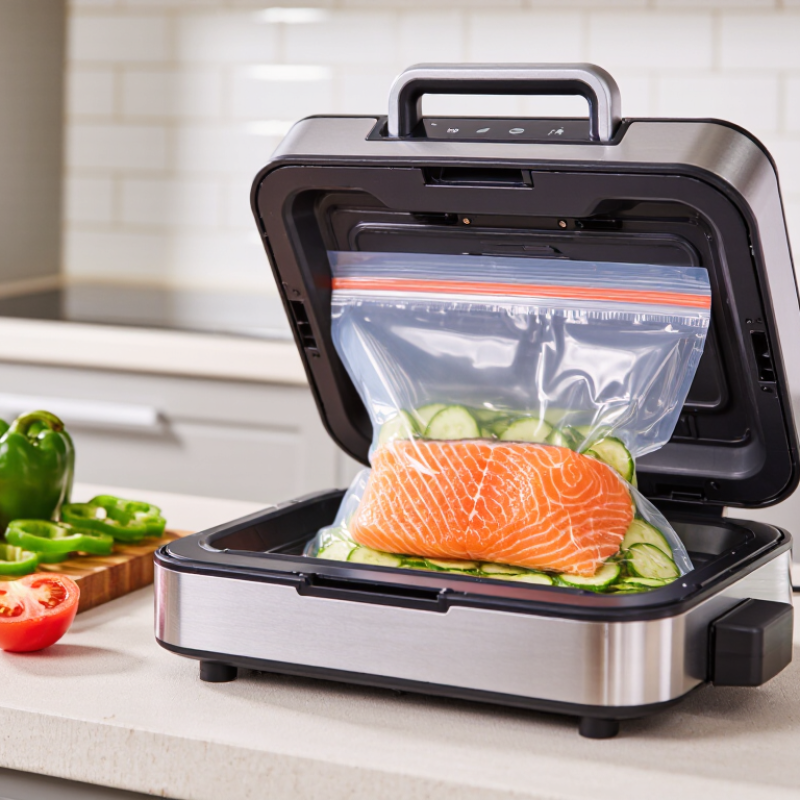
A vacuum food sealer machine draws air from a specially designed bag, then seals the opening with heat. Less air can help slow oxidation and freezer burn, keeping food’s color and texture closer to their original state. You can hear the pump hum as the bag tightens around a portion of salmon or sliced vegetables. The result looks simple. The process is not magic.

Grand View Research valued the global vacuum packaging market at about USD 29.6 billion in 2023. Its report covers more than household sealers, so the figure signals a wider packaging trend—not sales of countertop machines alone. The scale matters: households and food businesses are looking for practical ways to protect stored food. Yet a tight seal does not kill harmful microbes or make perishable food shelf-stable. USDA FSIS advises that vacuum packaging does not replace refrigeration or freezing.

Food waste offers useful context. The UN Environment Programme’s 2024 Food Waste Index estimated that 1.05 billion tonnes of food were wasted worldwide in 2022. UNEP Executive Director Inger Andersen called food waste “a global tragedy.” Her words address the broader problem, not vacuum sealers specifically. A sealer may help organize portions and protect frozen food, but good handling and correct storage still matter. Some bags wrinkle. Some seals fail. That deserves attention. This guide explains how the machine removes air, what its main parts do, and where its limits begin.
What Is a Vacuum Food Sealer Machine and How Does It Work?

What Is a Vacuum Food Sealer Machine?

A vacuum food sealer machine is a countertop appliance that removes much of the air from a specially designed bag and closes it with a heated seal. In many home models, a nozzle or suction channel pulls air from the open bag. A heating strip then melts the bag’s inner layers together. The plastic cools into a tight seam. That seam helps limit air exposure, which can slow oxidation and freezer burn. That distinction matters.

Most household machines use external suction, while chamber models remove air from a sealed chamber around the bag. Both types are designed to package food, not cook it or make it sterile. A neatly sealed portion of soup, for example, may store more compactly in the freezer, but the bag must be suitable for liquids and the seal must stay intact. A damp or greasy bag edge can weaken the seam, so keeping the sealing area clean and dry is a small but important step. Vacuum sealing does not make perishable food safe at room temperature; refrigeration, freezing, and careful handling still matter. The result can look impressively airtight, though a wrinkled seal may need a second attempt.
What Are the Main Parts of a Vacuum Food Sealer?

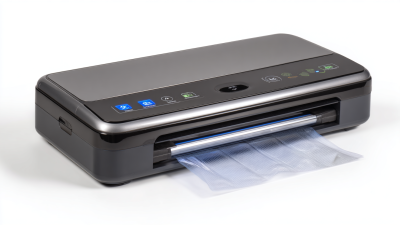
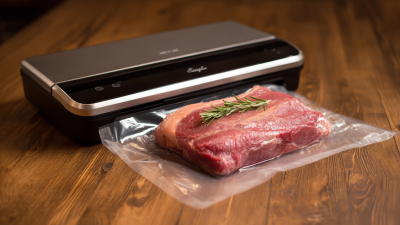
A vacuum food sealer uses a pump to draw air from a bag, then closes the opening with heat. Its main parts are the vacuum channel or chamber, pump, sealing bar, lid, gasket, and control panel. In external models, the open bag edge sits in a narrow channel; chamber models place the whole bag inside a sealed compartment. The pump removes air. The heated bar melts the bag layers together.

Small details matter. A clean, dry sealing strip helps create an even seam, while a worn lid gasket can let air leak back in. The controls set vacuum time and sealing time, though settings may need adjustment for moist foods. That part can be fussy. A weak seal may look closed but peel apart when handled. The 2022 FDA Food Code sets 41°F (5°C) or below as a key cold-holding limit for many refrigerated foods packaged with reduced oxygen. A sealer does not chill food or kill microbes, so the pump is only one part of safe storage.

After sealing, check that the seam is continuous and the bag stays compressed. ASTM F88/F88M describes a standard method for measuring flexible package seal strength, a useful quality check in packaging operations. For home use, the same principle is simpler: tug gently at the seam and inspect for gaps. A practical note: liquid near the seal can spoil the bond.

What Is a Vacuum Food Sealer Machine and How Does It Work? - What Are the Main Parts of a Vacuum Food Sealer?

Main Part What It Does How It Works Useful Notes
Vacuum pump Removes air from the bag or chamber. The pump draws air through an inlet or vacuum channel until the selected pressure or cycle is reached. Pump type and capacity vary by machine; chamber models evacuate the chamber, while external models draw air through the bag opening.
Sealing bar and heating element Closes the open end of a compatible bag. A controlled heating element warms the bag layers; pressure holds them together as they cool and form a seal. Seal time and temperature are designed for the bag material and machine type.
Lid or chamber Holds the bag in position and, on chamber models, encloses it during evacuation. The lid closes to create the working area. A chamber sealer lowers pressure around the whole bag before sealing it. External suction sealers typically use a lid or clamp rather than a vacuum chamber.
Gasket or lid seal Helps create an airtight seal around the lid or chamber. When the lid closes, the gasket compresses against the surrounding surface to reduce air leaks during the cycle. A clean, undamaged gasket supports consistent operation.
Controls and sensors Set and manage the sealing cycle. Buttons or a control panel start the pump and sealing sequence. Depending on the model, sensors or timers regulate the cycle. Common settings may include vacuum, seal, pulse, or moist-food modes; available controls differ by model.
Vacuum channel or air port Provides a route for air to leave the bag on external models. The open bag edge is placed over the channel so the pump can draw air out before the sealing bar closes the bag. This part is generally associated with external suction sealers; chamber machines evacuate air from the chamber instead.
Drip tray or liquid collection area Catches small amounts of liquid drawn toward the vacuum inlet. On models with this feature, the tray or channel collects liquid before it reaches internal components. Not all sealers include one; it should be emptied and cleaned as directed by the manufacturer.

In a typical cycle, the machine removes air from the bag or chamber, then applies heat and pressure to seal the bag. Vacuum sealing reduces air around food but does not replace safe storage, refrigeration, or recommended food-handling practices.

How Does the Vacuum Sealing Process Work?

A vacuum sealer machine removes air from a specially designed bag and closes it with heat. The process begins when the open bag edge enters the machine’s vacuum chamber or sealing channel. A pump lowers the air pressure around the food. As the air leaves, the plastic film presses closely against the food’s surface.

When the selected pressure is reached, a heated sealing bar melts the inner layers of the bag. It then creates a tight seam as the plastic cools. The seal must be smooth and continuous. A small wrinkle can leave a narrow air path. That detail is easy to overlook.

Vacuum sealing slows oxidation and reduces exposure to airborne moisture. This can help preserve texture, flavor, and freezer quality. It does not sterilize food or stop all microbial growth. Perishable food still needs correct refrigeration or freezing. Wet foods may also be pulled toward the pump, so chilling them first can improve the seal. In practice, the best results come from leaving several centimeters of empty space near the opening. This gives the machine enough material to form a reliable seam. Not every bag works. Ordinary thin plastic may melt, leak, or fail under pressure. The process looks simple, but bag choice, food moisture, and seal temperature all affect the final result.

What Foods Can Be Stored with a Vacuum Sealer?

A vacuum sealer works well with foods that tolerate pressure and benefit from reduced air exposure. Think beef portions, fish fillets, chicken, firm cheeses, nuts, dry grains, and sturdy vegetables. Seal a serving of soup or berries only after freezing it solid; otherwise, liquid can be pulled into the machine, and delicate fruit may collapse. Texture matters.

USDA’s FoodKeeper guidance gives refrigerated raw ground meat a storage window of 1–2 days and cooked leftovers 3–4 days. Vacuum sealing does not make these foods safe to keep longer at room temperature, or replace refrigeration and freezing. Keep perishable sealed food cold, and label each bag with its contents and date. In practice, a flat, single-layer bag of frozen fish is easier to stack and thaw than a bulky package. USDA freezing guidance notes that food kept continuously frozen remains safe, though quality declines over time. For best texture, blanch many vegetables before freezing, as recommended by the National Center for Home Food Preservation. One limitation is easy to miss: soft bread and ripe berries may arrive looking rather sad.

How Should a Vacuum Food Sealer Be Used Safely?

A vacuum food sealer removes air from a pouch, then closes it with a heated seal. Less oxygen can slow oxidation, freezer burn, and some microbial growth. It does not make food sterile. That distinction matters.

Use clean hands, utensils, and a sanitized work surface before sealing. Keep raw meat separate from ready-to-eat foods. The USDA Food Safety and Inspection Service recommends refrigerating perishables within two hours, or one hour above 90°F (32°C). Vacuum sealing does not extend this safe room-temperature limit. Chill cooked food promptly before packing it. Never seal hot food in a deep, warm pouch.

Keep the refrigerator at 40°F (4°C) or below, and the freezer at 0°F (-18°C), as advised by the USDA. Reduced-oxygen packaging can create conditions that support Clostridium botulinum if food is mishandled, a risk recognized in the FDA Food Code. Store sealed food cold, label the date, and follow tested storage guidance. Use short, flat portions so they cool and freeze evenly. Leave space around wet foods; liquids can be pre-frozen before sealing. Check the seal for wrinkles, leaks, or trapped liquid. Do not trust a perfect-looking bag alone. I still label every pouch, even when I think I will remember it. That small assumption is often the weak point. Discard swollen, leaking, sour-smelling, or unusually slimy packages without tasting them.

What Is a Vacuum Food Sealer and How Should It Be Used Safely?

A vacuum food sealer removes air from a package and seals it. Vacuum sealing does not make perishable food shelf-stable, so handle and store food safely.

Safe-use reminder: Refrigerate or freeze perishable food promptly after sealing. USDA guidance says not to leave perishable food out for more than 2 hours, or 1 hour when the temperature is above 90°F (32°C).

You've just added this product to the cart:

0
    0
    Your Cart
    Your cart is empty