Top 5 Tips for Choosing the Best UV Curing Machine?
Choosing the right Uv Curing Machine is crucial for any manufacturing process that relies on quick drying and hardening. These machines use ultraviolet light to cure coatings, inks, and adhesives, making them essential in various industries. However, with numerous options available, selecting the best one can be overwhelming.
When considering a UV Curing Machine, think about your specific needs. Different machines vary in size, power, and application capability. It’s important to evaluate the material types you work with and the production volume. Reliability is key; an efficient machine should reduce downtime and enhance productivity.
As you dive into this decision, reflect on your experience with UV technology. Not all machines will meet every requirement, and that’s normal. Understanding your unique context will help in making a well-informed choice. By exploring various options, you can find a UV Curing Machine that balances quality and performance, ultimately benefiting your operations.
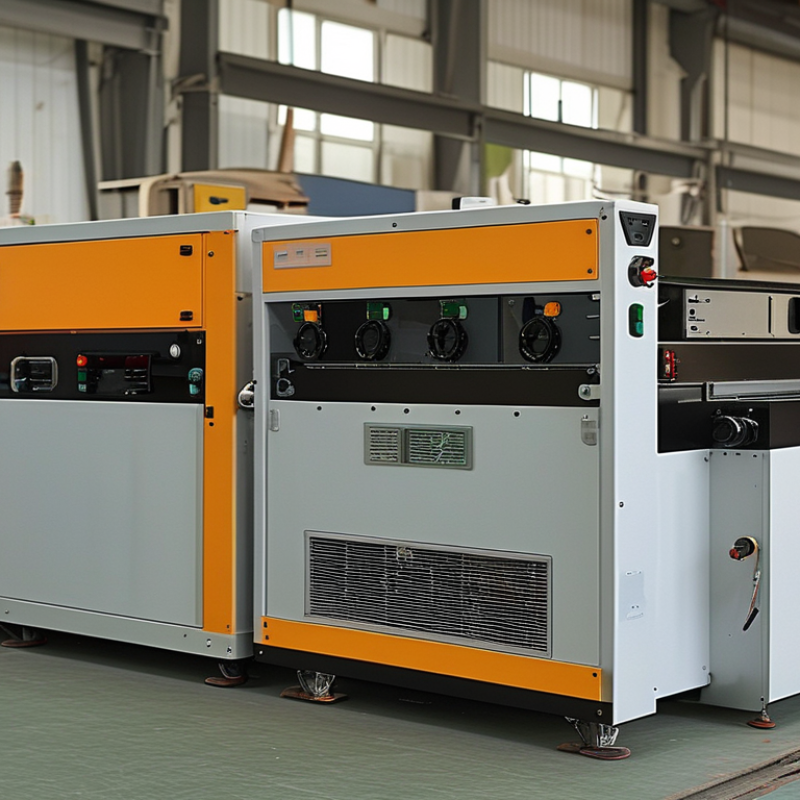
Understanding UV Curing Technology and Its Applications
UV curing technology has transformed various industries by providing a fast and efficient way to dry inks and adhesives. This process uses ultraviolet light to initiate a photochemical reaction. As light interacts with the materials, it causes them to harden quickly, resulting in a durable finish. This method is widely used in printing, coating, and manufacturing of various products.
Understanding the applications of UV curing is essential. It is utilized in sectors like automotive, electronics, and cosmetics. However, it is important to recognize potential issues. Not all materials are compatible with UV curing. Some may not cure properly, leading to weak bonds. This can cause failures in finished products. Testing materials before large-scale application can save time and resources.
The technology also raises safety considerations. UV light can be harmful to eyes and skin. Proper protective equipment is necessary to ensure operator safety. Despite its advantages, it is crucial to approach UV curing with caution and diligence. This will guarantee optimal results while minimizing risks.
Top 5 Tips for Choosing the Best UV Curing Machine
| Tip | Description | Key Factors | Applications |
| 1. Assess Your Material Types | Choose a UV curing machine compatible with the materials you will be using. | Material compatibility, UV wavelength | Glass, plastics, metals |
| 2. Consider Curing Speed | Evaluate the machine's curing speed to meet production demands. | Curing time, UV intensity | High-volume production, jewelry, coatings |
| 3. Evaluate Energy Efficiency | Look for machines that are energy-efficient to reduce operational costs. | Energy consumption, cost savings | Manufacturing, printing |
| 4. Check for Safety Features | Ensure the machine comes with adequate safety measures to protect operators. | Safety shields, emergency stops | Laboratories, industrial usage |
| 5. Research Support and Maintenance | Consider the availability of technical support and maintenance services. | Technical support, spare parts accessibility | Any long-term applications |
Evaluating Production Requirements for UV Curing Machines
When evaluating production requirements for UV curing machines, several factors come into play. Start by assessing your production volume. Higher volumes demand machines that can cure quickly and operate efficiently. Understand the size and type of products you will be curing. Larger items may require more extensive curing chambers, while smaller parts could benefit from compact machines.
Consider the materials you will use. Different substances react uniquely to UV light. Knowing this can help you select a machine that provides the optimal energy output. Think about your workspace. Is it large enough to accommodate the machine you need? Insufficient space can lead to inefficiencies. Additionally, evaluate the machine's ease of integration into your existing workflow. Compatibility with current equipment might save time and reduce costs.
It's important to reflect on your long-term needs too. What works now may not suffice in the future. Staying adaptable ensures you won't face stagnation in production capabilities. Investing in a machine that offers scalability can be critical. Don't overlook after-sales support and service. A reliable vendor plays a significant role in maintaining productivity over time.
Key Features to Look for in a UV Curing Machine
When selecting a UV curing machine, key features are crucial for optimal performance. Consider the wavelength of the UV light. It affects the curing speed and effectiveness. Most materials require specific wavelengths for proper curing. Research your material’s needs to find the right match.
Another important feature is the power output. Higher wattage often means faster curing. However, too much intensity can damage delicate materials. It’s a balancing act that requires careful consideration. Look for machines with adjustable power settings for versatility.
The size of the curing chamber is essential too. A larger chamber can accommodate bigger items, but it may take up more space. If you work with various sizes, prioritize adaptability. Finally, ease of maintenance can’t be overlooked. Complicated machines can lead to downtime and frustration. Regular upkeep is important for long-term reliability.
Assessing Energy Efficiency and Operational Costs
When selecting a UV curing machine, energy efficiency and operational costs are pivotal. A machine that uses less energy can significantly reduce your monthly utility bills. Look for models that utilize advanced LED technology. These machines typically require less power and have a longer lifespan compared to traditional options. However, remember that higher energy efficiency may initially come with a higher purchase price.
Operational costs also encompass maintenance and processing times. Machines with complex designs might incur higher maintenance costs, yet they might also deliver better results. Research the average lifespan of components like bulbs and reflectors. Their costs can add up quickly, affecting long-term budgeting. Choosing a machine with easily replaceable parts can lead to lower downtime and consistent production.
It's important to analyze your specific needs. Some operations might overestimate their requirements, leading to unnecessary expenses. Evaluate the volume of work and the curing speed needed. Sometimes, a smaller machine can suffice, saving costs in both energy and initial investment. A balance between efficiency and practicality can make a significant difference in achieving long-term success.
Researching Manufacturer Reputation and Customer Support
When selecting a UV curing machine, understanding the manufacturer's reputation is vital. A well-regarded manufacturer often reflects quality and reliability. Look for companies with a long history in the market. Reviews and testimonials can provide insights into customer experiences. Seek out online forums and social media groups. Engaging with users who have purchased the equipment can reveal common issues or benefits.
Customer support is equally important. A responsive support team can offer assistance during setup and maintenance. Look for manufacturers that provide comprehensive manuals, troubleshooting guides, and quick response times. Delays in support can lead to costly downtimes. Assess their warranty policies too; they often indicate the manufacturer's confidence in their products.
However, some smaller or newer companies may not have extensive reviews. This does not mean they lack quality. They may offer innovative features at competitive prices. Be cautious but open-minded. Understanding the nuances of both well-established and emerging manufacturers can lead you to a suitable machine. Always weigh your options carefully.


