Essential Tips for Caring for Lithium Batteries?
Lithium Batteries have become the backbone of modern technology. Their impact is vast, powering everything from electric vehicles to smartphones. According to a report by the International Energy Agency, the lithium-ion battery market is projected to reach over $100 billion by 2025. Yet, the rise in consumption also calls for careful management.
Understanding how to properly care for lithium batteries is crucial. Improper usage can lead to reduced lifespan and potential safety hazards. In fact, the National Fire Protection Association highlights that battery-related incidents have increased as usage grows. Simple mistakes, like extreme temperatures or incorrect charging habits, can result in significant damage.
Caring for lithium batteries requires awareness and knowledge. Many users exhibit careless behavior, neglecting to follow best practices. This negligence often leads to frustration with battery performance. It is vital to reflect on habits and make necessary adjustments to ensure safety and longevity. By focusing on effective care, users can greatly enhance their lithium battery experience.
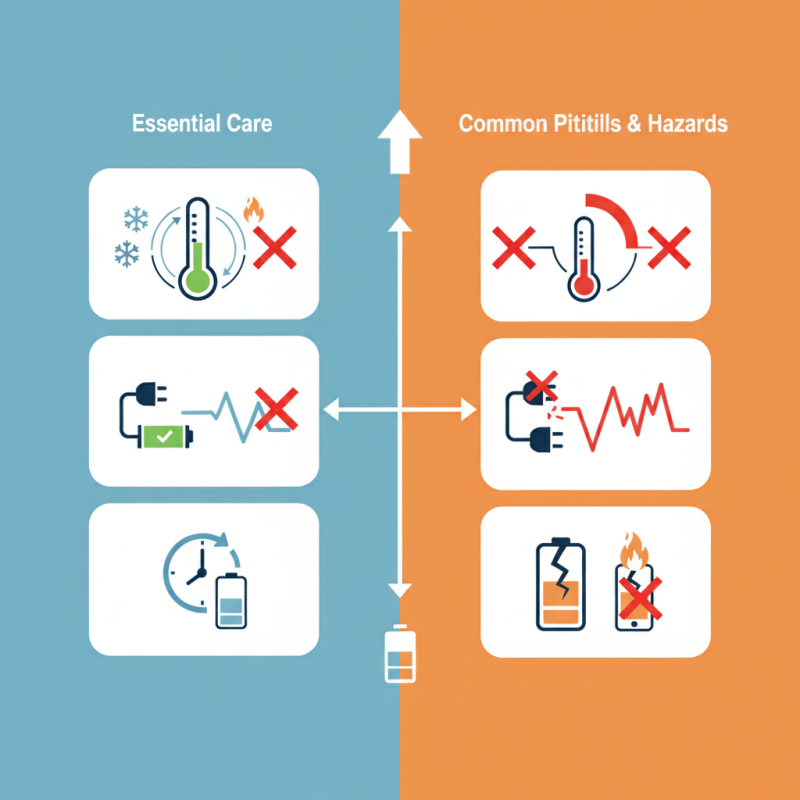
Understanding Lithium Battery Basics
Understanding lithium batteries is essential for anyone who uses modern electronics. These batteries are lightweight and store a lot of energy. They power everything from smartphones to electric vehicles. However, improper care can shorten their lifespan significantly.
When charging lithium batteries, avoid letting them drain completely. This can cause stress and damage. Instead, charge them when they reach around 20% capacity. It's also important to keep the battery cool. High temperatures can lead to dangerous situations and reduce battery efficiency.
Store lithium batteries in a dry, cool place. Extreme temperatures can be harmful. Keep an eye on the battery’s condition. Swelling or leaking indicates a problem. Many users overlook these signs, but they are crucial for safety. Regular checks can prevent risks.
With proper care, lithium batteries can last longer and perform better.
Optimal Charging Practices for Longevity
When charging lithium batteries, following optimal practices is crucial for maximizing their lifespan. Studies show that batteries perform best when charged at moderate temperatures between 20°C and 25°C. Charging in extreme heat or cold can damage the battery’s internal structure and lead to reduced capacity. In fact, a report from the Battery University states that elevated temperatures can decrease battery life by up to 20% per 10°C increase.
Another important factor is to avoid complete discharges. Lithium batteries thrive on partial cycles. Charging them when they reach around 20% capacity can significantly prolong their longevity. A study by the American Chemical Society found that consistently discharging to 0% can lead to a 30% reduction in life over multiple charge cycles.
Lastly, consider the charging speed. Fast charging may seem convenient, but it generates excess heat. This heat accelerates wear. Slower charging is friendlier to battery health, providing a gentler approach. Reflect on these practices, as overlooking them could lead to disappointing battery performance and early replacements.
Safe Storage Conditions for Lithium Batteries
When it comes to lithium batteries, proper storage is crucial for safety and longevity. Store them in a cool, dry place. An ideal temperature range is between 20°C to 25°C. Avoid exposing them to extreme heat or cold. High temperatures can increase the risk of thermal runaway. On the other hand, cold conditions may lead to performance issues.
Ensure batteries are kept away from direct sunlight. Sunlight can heat them up too quickly. A sturdy, non-conductive container is a good option for storage. Never place batteries loosely together. They can accidentally touch and create short circuits. It's best to store batteries with a charge level of about 40% to 60%. This helps maintain their health over time.
Monitoring storage conditions is vital. Regularly check for any signs of damage. If you notice swelling or leaks, it might be time to dispose of them safely. While it’s tempting to forget about batteries in storage, regular checks can save you from potential hazards. It's easy to overlook these details, but attention can make a difference in ensuring safety.
Signs of Battery Degradation and Maintenance Tips
Lithium batteries are popular choices in many devices, but they degrade over time. Spotting signs of degradation is key. Watch for reduced battery life. If the battery drains quickly, it may be time for a check. Physical changes like swelling or leakage are also serious red flags. Don’t ignore them. Replace the battery if you notice these issues.
Maintenance can help prolong battery life. Keep the battery at a moderate temperature. Extreme heat or cold can accelerate damage. Avoid complete discharges. Instead, aim to keep the charge between 20% and 80%. This practice is often overlooked but can make a big difference. Regularly clean the battery contacts to ensure good connectivity.
It's important to be aware of charging habits. Overcharging can lead to overheating and shortens lifespan. If your device supports it, use a smart charger. This feature helps regulate charging cycles. Reflect on your usage patterns. Are you using the battery responsibly? Monitoring your habits can prevent premature wear.
Essential Tips for Caring for Lithium Batteries - Signs of Battery Degradation and Maintenance Tips
| Aspect | Details | Signs of Degradation | Maintenance Tips |
| Charge Cycles | Typically 300-500 full charge cycles | Reduced capacity, longer charging times | Avoid full discharges; recharge at around 20% |
| Temperature Sensitivity | Optimal range is 20°C to 25°C | Swelling, decreased performance in extreme temps | Store and use in a temperature-controlled environment |
| Storage Practices | Keep batteries charged between 40%-60% if not in use | Rapid self-discharge, corrosion on terminals | Avoid long-term storage at full charge or empty |
| Visual Inspection | Regularly check for physical damage or leaks | Bulging, noticeable leaks or cracks | Replace any damaged batteries immediately |
| Charging Habits | Use appropriate charger for your battery type | Overheating during charging, inconsistent power | Avoid using incompatible chargers or continuous charging overnight |
Disposal and Recycling Guidelines for Lithium Batteries
Disposing of lithium batteries properly is crucial. These batteries can cause environmental harm if discarded carelessly. They contain toxic materials. When they end up in landfills, they risk leaking chemicals into the soil and water.
Start by checking your local guidelines. Many places have designated drop-off sites for lithium batteries. Recycling centers are often equipped to handle them safely. Sometimes, retailers will also accept used batteries for recycling.
Never throw them in regular trash. This may lead to dangerous situations. Batteries can catch fire or explode when compacted. Keeping lithium batteries out of the waste stream protects our planet. Make sure to store them in a cool, dry place until you can recycle them. Educating others about responsible disposal is equally important. Every small effort counts.
Essential Tips for Caring for Lithium Batteries


