What Is a Plastic Food Container Used For?
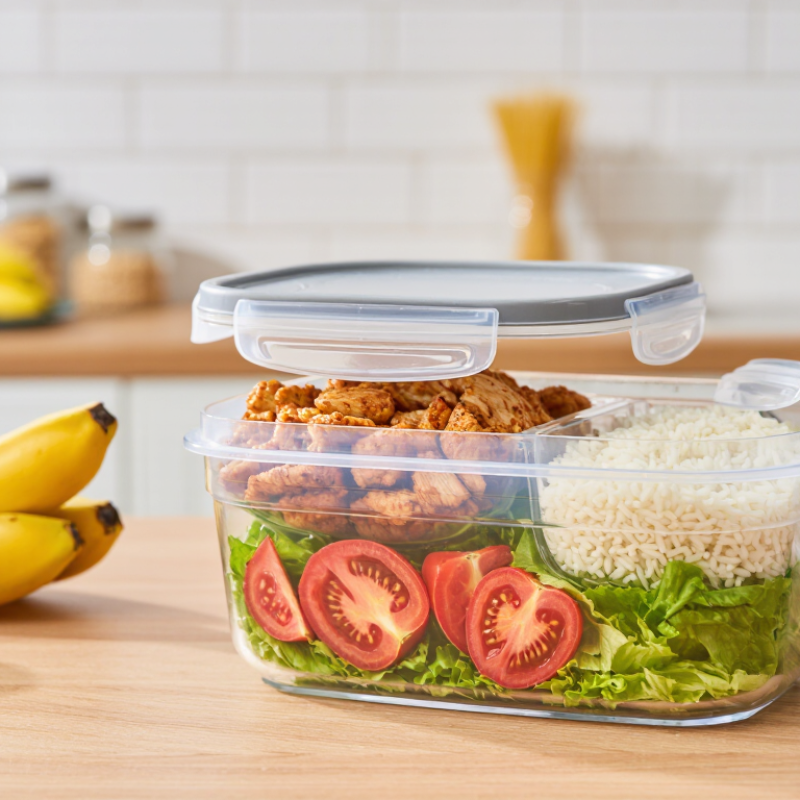
A Plastic Food Container is designed to store, protect, and organize food in homes, restaurants, schools, and workplaces. It can hold cooked meals, fresh fruit, sandwiches, dry ingredients, and leftovers. Its lightweight body makes transportation easier than glass or metal. A secure lid also helps reduce spills, odors, and contact with dust. Some containers include separate compartments, which keep salad, rice, and sauces apart during travel.
Daily use requires more than choosing a convenient size. Food-safe plastic should be selected from a reputable manufacturer, with clear information about temperature limits and intended use. A container marked for freezer storage may not be suitable for microwave heating. Always check the label. Never assume.
I have found that transparent containers make forgotten leftovers easier to notice. That small detail can reduce waste. However, plastic can absorb strong smells, especially after storing curry, garlic, or tomato sauce. Careful washing helps, but it may not remove everything. Inspect containers for cracks, cloudy surfaces, damaged lids, or deep scratches. Replace them when cleaning becomes difficult. Do not use visibly damaged pieces for food storage.
A Plastic Food Container is useful, but it is not automatically safe for every task. Use clean hands, cool food promptly, and avoid sealing very hot food unless the product permits it. These simple habits support safer storage and better organization. The right container depends on the food, temperature, duration, and handling conditions. Convenience matters. Good judgment matters more.
Definition and Basic Purpose of a Plastic Food Container
What Is a Plastic Food Container Used For?
Definition and Basic Purpose of a Plastic Food Container
A plastic food container is a reusable or disposable vessel designed to hold food safely. Its basic purpose is simple: to protect food from dirt, moisture, air, and accidental contact during storage or transport. Common uses include keeping leftovers in a refrigerator, packing lunch, organizing dry ingredients, and carrying prepared meals. A secure lid also helps prevent spills inside a bag.
In practical use, the container should match the food and temperature. A food-grade container can hold cooked rice, vegetables, fruit, or soup when its instructions allow it. Some containers are suitable for freezing or reheating, while others are not. Checking the symbols and care instructions matters. Heat can cause unsuitable plastic to soften or release unwanted substances. Never assume every plastic container is microwave-safe.
I have found that clear containers make stored food easier to identify, especially in a crowded refrigerator. They can also reduce waste by protecting food for later use. Still, they are not perfect. Scratches, stains, warped lids, or lingering smells may signal that replacement is sensible. Wash containers with warm water and suitable detergent, then let them dry fully. A damp, closed container can develop an unpleasant odor. Storage habits matter as much as the container itself.
Common Uses for Storing, Transporting, and Organizing Food
What Is a Plastic Food Container Used For?
Common Uses for Storing, Transporting, and Organizing Food
A plastic food container keeps prepared meals protected from dust, spills, and unwanted odors. At home, it stores leftovers, cut fruit, cooked rice, sauces, and dry ingredients. A tight lid helps preserve texture, but it does not make food safe forever. Refrigerate perishable food promptly, and label containers with the storage date.
Containers also make transportation easier. A filled container can carry lunch to work, snacks for a trip, or portions for a family gathering. Leak-resistant lids matter when the food includes soup or dressing. Leave some space near the top for liquids that may expand when chilled. I once packed warm curry too quickly, and pressure pushed sauce into the lid. Cooling it briefly would have helped.
Meal preparation becomes more manageable when containers have similar shapes. Matching sizes stack neatly in a refrigerator and reduce wasted shelf space. Smaller sections can separate vegetables, grains, and protein without mixing flavors. Clear sides make forgotten food easier to notice. That is useful, but imperfect habits still happen. A container can sit behind other food for days. Check its smell, appearance, and condition before using the contents. Discard cracked or badly scratched plastic, and use only containers labeled for microwave or freezer use.
Types of Plastic Food Containers and Their Main Features
Plastic food containers store, protect, transport, and serve meals. They help prevent spills, moisture loss, and unwanted odors. According to the OECD’s Global Plastics Outlook, packaging created about 40% of global plastic waste in 2019. That figure makes material choice important, not decorative.
Polypropylene containers are lightweight, durable, and often suitable for reheating. However, microwave safety depends on the container’s tested instructions, not its appearance. Polyethylene containers resist impact and work well for chilled foods, sauces, and freezer storage. PET containers are clear and rigid, making contents easy to inspect. They are commonly used for cold foods and drinks, but heat can deform them. Flexible polyethylene bags save space, although they may offer weaker protection against punctures. Airtight lids help preserve freshness, while snap-lock designs reduce leaks. Not every lid seals perfectly.
A container can look sturdy and still age badly. I have learned to inspect cloudy surfaces, deep scratches, and warped edges before reuse. This small step is easy to ignore.
Tips: Match the container to the food and temperature. Leave space when freezing liquids. Use only marked microwave-safe containers for reheating. Wash with a soft sponge, because harsh scrubbing creates scratches. Check local food-contact guidance, since safety requirements differ by region. The OECD data also suggests a practical reflection: durability matters, but repeated reuse only helps when the container remains clean, intact, and suitable for its purpose.
What Is a Plastic Food Container Used For?
Types of Plastic Food Containers and Their Main Features
Plastic food containers are used for storing, protecting, transporting, and reheating food. The chart compares common food-contact plastics by their typical density. Density is shown as a factual material property, while the listed uses represent common applications.
PET is commonly used for clear bottles and jars. HDPE is used for milk containers, juice bottles, and food tubs. LDPE is flexible and often used for food bags and squeezable packaging. PP is valued for food tubs, microwaveable containers, and reusable storage boxes. PS is used for disposable cups, trays, and some takeaway containers. PVC can be found in selected food packaging films and specialized food-contact applications.
Environmental Considerations and Responsible Disposal
A plastic food container stores leftovers, packed lunches, dry ingredients, and prepared meals. Its environmental impact depends on how long it remains useful. A durable container reused for years can prevent many single-use items from entering the waste stream. I have found that small habits matter: washing containers promptly, keeping matching lids, and carrying one for takeout meals. Still, reuse has limits. Replace containers with cracks, deep scratches, cloudy surfaces, or persistent odors. Damaged plastic may be harder to clean properly. Do not microwave a container unless its markings clearly allow it.
Responsible disposal requires more than placing plastic in a recycling bin. Check the recycling symbol and your local collection rules. Accepted materials vary between communities, even when containers look identical. Empty and rinse the container, then let it dry. Food residue can contaminate other recyclable materials. Some programs accept the container but reject its loose lid, so check both parts separately. A rinsed container is not automatically recyclable.
When recycling is unavailable, avoid burning plastic or leaving it outdoors. Reuse it for non-food storage only if it remains clean and sturdy. This is not always the best option, because old containers can accumulate in drawers and become forgotten waste. Buying fewer, better-suited containers may be more practical than collecting many cheap ones. My own routine still has flaws; occasional damaged containers remind me that convenience can quietly create disposal problems.


