How to Improve Fertilizer Retention for Better Crop Yields?
Fertilizer Retention is a critical factor in achieving optimal crop yields. It directly impacts nutrient availability for plants. Effective fertilizer use is essential in modern agriculture. Many farmers face challenges in retaining fertilizers in the soil. Often, nutrients are lost through leaching or runoff. This loss can lead to reduced soil fertility and increased costs.
Improving fertilizer retention requires a combination of techniques. Specific practices can enhance the effectiveness of nutrients. For example, using organic matter helps bind fertilizers to soil particles. Additionally, controlled-release fertilizers can extend nutrient availability. However, not all methods work for every type of crop or soil. Continuous evaluation and adaptation are necessary.
Farmers must also consider environmental factors impacting retention. Soil texture, moisture content, and weather can all play a role. It is essential to balance these variables for better outcomes. Understanding local conditions can lead to more successful fertilizer application. In conclusion, investing time and effort in improving fertilizer retention can yield substantial benefits for crop productivity.
Understanding Fertilizer Retention: Importance for Crop Yields
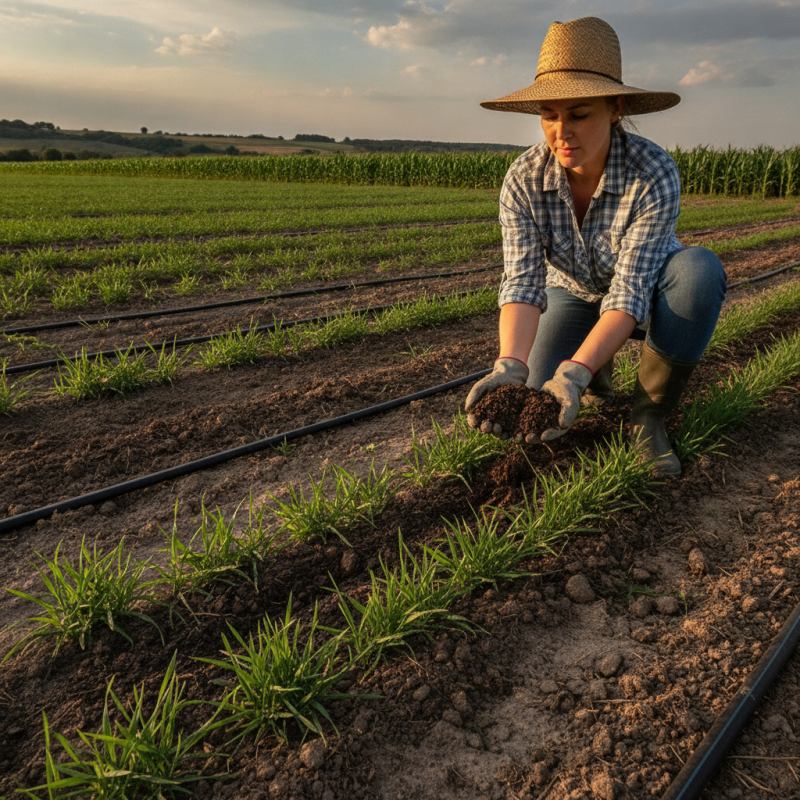
Fertilizer retention is crucial for enhancing crop yields. Proper retention ensures that nutrients remain available to plants for longer periods. This reduces the need for frequent applications, saving both time and resources. When nutrients leach away, plants suffer. Poor soil management can exacerbate this issue.
Several factors influence fertilizer retention. Soil texture plays a significant role. Sandy soils often lead to quicker nutrient loss due to their larger particle size. In contrast, clay soils can retain more nutrients but may lead to runoff if not managed correctly. Therefore, understanding your soil's composition is vital. Farmers need to assess their fields regularly to choose appropriate practices.
Organic matter enhances nutrient retention as well. Adding compost or mulch can improve soil structure and increase its capacity to hold nutrients. However, many still overlook this practice. Regularly testing soil before planting helps gauge current nutrient levels. This assessment guides farmers in making informed decisions. Embracing these practices can lead to better crop yields in the long run.
Factors Affecting Fertilizer Retention in Soil
Soil fertility is crucial for high crop yields. Understanding factors that affect fertilizer retention can help maximize nutrients. Soil texture plays a significant role. Sandy soils drain quickly, leading to nutrient loss. Clay soils, however, retain more nutrients but can become compacted. This balance is vital for effective fertilization.
Organic matter also impacts fertilizer retention. Healthy soil contains organic materials that improve structure and moisture retention. Adding compost or cover crops can boost this aspect. Yet, relying too much on organic amendments can lead to imbalances in soil nutrient levels. Farmers must monitor these changes closely.
pH levels are another key factor. Soils that are too acidic or alkaline can hinder nutrient availability. Regular soil testing is essential to maintain the right balance. Ignoring pH can reduce fertilizer efficiency significantly. Ultimately, careful observation and adjustments will lead to better crop yields.
How to Improve Fertilizer Retention for Better Crop Yields? - Factors Affecting Fertilizer Retention in Soil
| Factor | Description | Impact on Fertilizer Retention |
| Soil Texture | The proportion of sand, silt, and clay in the soil. | Clay soils retain more nutrients than sandy soils. |
| Organic Matter | Decomposed plant and animal residues in the soil. | Increases cation exchange capacity, enhancing retention. |
| Soil pH | The acidity or alkalinity of the soil. | Affects nutrient availability and retention. |
| Soil Compaction | Density of soil particles affecting pore space. | Reduces aeration and Water Retention, affecting nutrient uptake. |
| Water Content | The amount of water present in the soil. | Important for nutrient mobility and retention. |
| Microbial Activity | Presence and activity of soil microorganisms. | Helps in nutrient cycling, improving overall retention. |
Techniques to Enhance Soil Fertility and Retention
Improving soil fertility and retention is crucial for maximizing crop yields. Techniques such as organic matter incorporation can significantly boost the soil’s texture and nutrient-holding capacity. Compost and well-rotted manure are great choices. They improve aeration and promote beneficial microorganisms. Healthy soil retains moisture and nutrients much better than depleted soil.
Another effective method is crop rotation. It helps prevent nutrient depletion and reduces pests. Different crops draw varying amounts of nutrients, so alternating them keeps the soil balanced. Additionally, cover crops like clover and vetch can protect the soil from erosion. They also fix nitrogen, enriching the soil for future planting seasons.
Monitoring soil pH is essential. Certain crops thrive in specific pH levels. Regular testing can guide necessary amendments. Sometimes, it takes time to see results. Not all techniques work instantly. Patience is key in maintaining good soil health. Implementing these techniques will take effort, but the benefits can lead to improved crop yields.
Best Practices for Applying Fertilizers Effectively
Applying fertilizers effectively requires careful planning and execution. Start by testing your soil to determine nutrient needs. Soil tests offer valuable insights into pH levels and nutrient deficiencies. This information helps you select the right fertilizers. Different crops demand different nutrients, so tailor your application to specific crop requirements.
Timing is crucial when applying fertilizers. Early in the season, when crops are emerging, is often ideal. Yet, over-application can harm plants and the environment. Monitor weather patterns. Rainfall after application can lead to leaching, reducing effectiveness. Adjust your strategy based on forecasts.
Consider using split applications to improve nutrient uptake. This involves applying fertilizers in smaller amounts at various stages of growth. It maximizes absorption by matching crop needs throughout its development. Finally, employ practices that enhance soil health. Techniques like cover cropping can improve nutrient retention, making your fertilizer applications more efficient. Reflect on your methods and adapt as needed for better results.
Monitoring and Adjusting Fertilizer Application for Optimal Results
Monitoring fertilizer application is essential for maximizing crop yields. Consistent evaluation of soil and crop needs allows farmers to adjust the timing and amount of fertilizer used. Over-application can lead to nutrient leaching, while under-application may stunt crop growth. Regular soil tests provide critical data. They reveal nutrient levels, pH balance, and soil structure, helping farmers make informed decisions.
To achieve optimal results, consider using precision farming techniques. These practices include GPS mapping and variable rate technology. Such methods allow for targeted fertilizer application based on specific field zones. This approach can enhance efficiency and reduce waste. However, farmers must be prepared for challenges. Equipment may require calibration, and data collection can be time-consuming.
Effective monitoring also involves observing plant response. A decline in crop vigor or unusual discoloration should raise red flags. Incorporating these observations into the fertilizer management plan is vital. Adapting to changing conditions ensures a more resilient farming strategy. Regular communication with agronomists can provide valuable insights and enhance decision-making.
Fertilizer Retention and Crop Yields


