How to Buy Sodium Bisulfate in Bulk?

Buying Sodium Bisulfate in bulk requires more than comparing the lowest price per kilogram. Industrial buyers must confirm product grade, purity, particle size, moisture levels, and intended application. A material suitable for water treatment may not meet the requirements of food processing, textile production, or industrial cleaning. The distinction matters.

A reliable purchasing process begins with clear specifications. Request a current Certificate of Analysis, Safety Data Sheet, technical data sheet, and representative sample. Check the sodium bisulfate concentration, packaging condition, production date, and storage guidance. Bags should arrive sealed, dry, and free from hardened lumps. Moisture can affect handling and performance. It can also create avoidable warehouse problems.

Supplier evaluation deserves equal attention. Review manufacturing experience, quality-control procedures, export history, and batch traceability. Ask how the supplier manages rejected batches and shipment damage. Confirm the minimum order quantity, lead time, payment terms, and delivery responsibility before signing an agreement. Small details become expensive at container scale.

The cheapest quote may not be the best deal. Freight, pallets, insurance, customs processing, testing, and local storage can change the final cost. Compare landed cost instead of invoice price alone. Buyers should also inspect ventilation, moisture protection, and compatible storage surfaces at their facility. Sodium Bisulfate is acidic and requires responsible handling, trained staff, suitable protective equipment, and documented procedures.

Even experienced buyers make assumptions. A spreadsheet may hide quality variation or delayed delivery. A sample helps, but one sample cannot prove every future batch. Build supplier communication, inspection points, and backup planning into the purchase strategy. Careful sourcing supports safer operations, consistent results, and a more dependable bulk supply.
How to Buy Sodium Bisulfate in Bulk?

Define Bulk Sodium Bisulfate Requirements: CAS 7681-38-1 and 98%+ Assay

Buying sodium bisulfate in bulk starts with a precise product definition. Specify sodium bisulfate, CAS 7681-38-1, with a minimum assay of 98%. Do not rely on the name alone. Confirm whether the assay is measured on an as-received or dry basis. This difference can affect purchasing decisions. State the required physical form, particle size, color, and acceptable moisture level. A clear specification reduces disputes between buyers and suppliers.

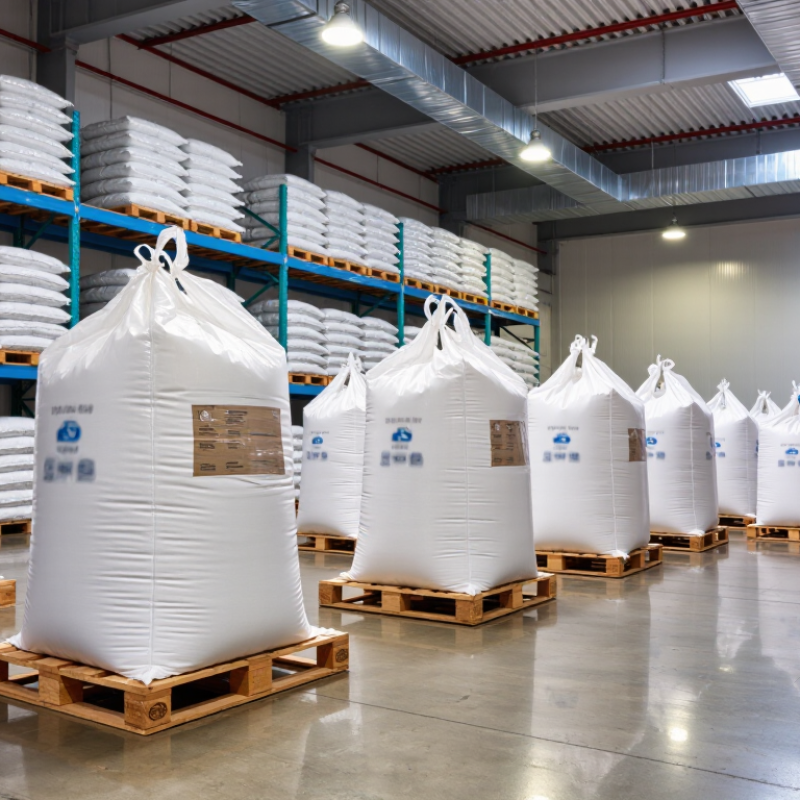
Quantity should reflect real consumption, storage capacity, and delivery frequency. A small facility may need several 25-kilogram bags, while larger operations may request palletized or bulk packaging. Check whether the material arrives in sealed, moisture-resistant bags. Sodium bisulfate can absorb moisture during poor storage. Ask for a current certificate of analysis, safety data sheet, production date, batch number, and country of origin. Request a representative sample before approving a large order.

Quality control should compare the 98%+ assay with impurity limits, including chloride, sulfate, iron, and insoluble matter. Testing methods should be clearly identified. Packaging labels must match the paperwork exactly. A practical mistake is accepting a high assay without checking batch consistency. One strong result may not represent future deliveries. Keep retain samples when possible, and record storage conditions after receipt. Dry, ventilated storage is sensible, but detailed handling procedures still require site-specific review.

Compare Technical Grades, Particle Sizes, and 25–1,000 kg Packaging Options

How to Buy Sodium Bisulfate in Bulk?

Bulk sodium bisulfate purchasing starts with the correct technical grade. Review the certificate of analysis before comparing prices. Check assay, moisture, insoluble matter, iron content, and free acidity. These values can affect cleaning performance, water treatment, and industrial processing. A lower price may hide inconsistent quality. Ask for recent batch data, not only a standard specification sheet. Supplier experience matters, but documents matter more.

Particle size can change how quickly the material dissolves and how easily workers handle it. Fine powder dissolves quickly but may create more dust during transfer. Granular material usually flows better through hoppers and reduces airborne particles. Confirm the stated range, such as powder, 0.5–2 mm granules, or a custom distribution. Sampling is worthwhile. Bulk materials are rarely perfect.

Tips: Match packaging to your handling system. A 25 kg bag suits trials and smaller warehouses. Pallets of 500 kg can reduce repeated unloading. A 1,000 kg bulk bag may lower labor costs, but only when lifting equipment is available. Use moisture-resistant packaging and inspect seams before acceptance. Store the product in a dry, ventilated area, away from incompatible alkaline materials. I would also confirm whether bags are layered for long-distance transport. That detail is easy to overlook.

Screen Suppliers Using COA Data, ISO 9001 Systems, and Production Capacity

How to Buy Sodium Bisulfate in Bulk?

Screen Suppliers Using COA Data, ISO 9001 Systems, and Production Capacity

Bulk sodium bisulfate purchasing should begin with evidence, not a low quotation. Request a recent COA for the exact grade and production lot. Check assay, moisture, free acidity, insoluble matter, iron, and particle size. Compare these results with your process limits, not only the specification headline. A COA without a lot number, test date, or test method deserves questions. From practical sourcing work, I have found that small omissions can cause larger receiving delays. Still, one document cannot prove consistent quality.

Review the supplier’s ISO 9001 certificate, including its scope, validity, and issuing body. Ask how operators control raw materials, batch records, calibration, and nonconforming products. ISO 9001 supports system reliability, but it does not guarantee every shipment. Production capacity matters just as much. Request normal monthly output, current utilization, stock policy, packaging options, and realistic lead times. A factory may claim high capacity while lacking space for your volume. Confirm whether the quoted quantity is available now or only theoretically possible.

Tips: Ask for three recent COAs from different lots. Request a sample before signing a long-term agreement. Check whether the packaging can survive humid warehouses and repeated handling. Keep written approval criteria. I once underestimated delivery buffers; that was avoidable. Leave room for seasonal delays, testing time, and imperfect forecasts.

Request Pricing by MOQ, Incoterms, Lead Time, and Regional Freight Costs

How to Buy Sodium Bisulfate in Bulk?

Bulk purchasing starts with a comparable request for quotation. Specify purity, particle size, packaging, destination, and monthly demand. Ask suppliers to quote several MOQs, such as one pallet, one truckload, and one container. The lowest unit price may hide higher handling costs. Request separate pricing for EXW, FOB, CFR, and DAP under Incoterms 2020. ICC states that Incoterms define cost, delivery, and risk responsibilities, but they do not replace the sales contract.

Regional freight can change the decision quickly. UNCTAD’s Review of Maritime Transport reports that over 80% of global merchandise trade moves by sea. Therefore, port distance, congestion, inland trucking, and container availability deserve separate line items. Use a current freight benchmark, such as the Drewry World Container Index, but confirm the final route-specific quote. The World Bank’s 2023 Logistics Performance Index also shows major differences in customs efficiency and shipment reliability between markets. Lead time should include production, testing, export clearance, transit, and local delivery. Request both normal and delayed scenarios.

Ask for a certificate of analysis, safety data sheet, batch traceability, and shelf-life information. Verify packaging strength before long-distance transport. Sodium bisulfate handling requirements can vary by grade and jurisdiction. I would also check import classification with a qualified customs broker. One practical mistake is treating MOQ as a purchasing target. It should match storage capacity, cash flow, and consumption. Sometimes, a smaller order costs less overall.

Verify SDS Compliance: UN 1821, Class 8, and Safe Bulk Transportation

Bulk purchasing sodium bisulfate requires more than comparing price per ton. Before requesting quotations, ask for the latest Safety Data Sheet and confirm the product’s physical form, concentration, and intended use. The SDS should identify sodium bisulfate correctly and provide complete hazard information across all required sections. Do not rely on an old PDF or a copied specification. Some documents contain outdated transport details.

Check Section 14 carefully. For solid sodium bisulfate, the transport entry is commonly UN 1821, Class 8, corrosive. Confirm the proper shipping name, packing group, labeling, and emergency guidance with the current SDS. The classification may change when the material is supplied as a solution or blended product. A qualified dangerous-goods specialist should review the shipment before dispatch.

Safe bulk transportation also depends on equipment and handling. Use corrosion-resistant bulk containers approved for the selected transport mode. Verify compatibility with liners, valves, hoses, and unloading fittings. Keep the material dry. Moisture can create handling problems and increase corrosion risks. Every package or container needs correct marks and labels. Loading areas should have containment, protective clothing, eye protection, and accessible washing facilities. Secure the load against movement and inspect closures before departure.

One practical mistake is treating compliance as a paperwork task. It is not. A missing revision date or unclear UN entry can delay a truck at the gate. Review the SDS, purchase order, container design, and carrier instructions together. Small details matter.

How to Buy Sodium Bisulfate in Bulk? — Verify SDS Compliance: UN 1821, Class 8, and Safe Bulk Transportation
Data Dimension Typical Specification or Requirement What to Verify Before Purchase Procurement or Transport Significance Status
Product name Sodium bisulfate; sodium hydrogen sulfate; sodium bisulphate The commercial name must match the chemical identity stated in the current SDS and certificate of analysis. Prevents confusion with sodium sulfate, sulfuric acid, or other acidic sulfate products. Required
Chemical formula NaHSO4 Confirm that the formula corresponds to the supplied grade and physical form. Supports identity verification, technical evaluation, and regulatory documentation. Reference
CAS Registry Number 7681-38-1 Check the CAS number in Section 3 of the SDS, product labels, and purchasing documents. Provides a precise identifier for supplier qualification and customs or regulatory review. Required
Molecular weight 120.06 g/mol Use as a reference value; product purity and water content may affect analytical results. Useful for formulation calculations, laboratory control, and process dosing. Reference
Physical form White to off-white crystalline solid or granules Confirm particle size, caking tendency, dust generation, and whether the material is solid or supplied as a solution. Determines suitable packaging, handling equipment, storage conditions, and transport classification. Check
Water solubility Soluble in water; dissolution is strongly acidic and may generate heat. Review the SDS handling guidance and conduct compatibility checks before dilution or transfer. Requires controlled addition to water, suitable ventilation, and corrosion-resistant equipment. Required
Hazard classification Corrosive to metals and capable of causing serious eye damage or skin irritation, depending on concentration and jurisdiction. Use the hazard classification shown on the supplier's current SDS for the exact grade. Controls labeling, personal protective equipment, emergency response, and storage design. Required
UN number UN 1821 — Sodium bisulphate Verify Section 14 of the current SDS and confirm whether the entry applies to the exact physical form being shipped. The UN number must match shipping papers, package marks, labels, and transport declarations. Required
Transport hazard class Class 8 — Corrosive substances Confirm the applicable transport mode: road, sea, air, or rail. Determines segregation, placarding, documentation, carrier qualification, and emergency procedures. Required
Packing group Typically Packing Group III for the UN 1821 entry Confirm the exact packing group in the current SDS and the rules applicable in the shipping country. Defines the level of danger and the performance standards for approved packaging. Check
Shipping description UN 1821, SODIUM BISULPHATE, 8, III, where applicable Ensure the description, hazard class, packing group, and quantity are consistent across all documents. Reduces the risk of rejected loads, customs delays, fines, or unsafe handling. Required
SDS documentation Current Safety Data Sheet in the required regulatory format and language Review Sections 1, 2, 3, 4, 7, 8, 10, 13, 14, and 15; check revision date and supplier contact details. Confirms hazards, first aid, storage, PPE, disposal, transport, and regulatory information. Required
Certificate of analysis Batch-specific COA showing assay, moisture, insoluble matter, and relevant impurities Agree on acceptance limits before ordering and ensure the COA is traceable to the shipment lot. Confirms that the bulk material meets the intended industrial or process specification. Required
Common bulk packaging 25 kg bags, approximately 500–1,000 kg flexible intermediate bulk containers, or bulk containers where approved Confirm package certification, liner material, maximum filling weight, moisture protection, and lifting instructions. Packaging must protect against moisture and remain suitable for corrosive solid handling. Check
Packaging compatibility Use packaging specifically approved for the substance and transport classification; avoid incompatible metals. Review the SDS compatibility guidance and request packaging specifications from the supplier. Acidic material can attack certain metals and may damage unsuitable containers or transfer equipment. Required
Storage conditions Keep tightly closed in a cool, dry, well-ventilated area away from incompatible materials. Protect from moisture, heat, direct sunlight, bases, strong oxidizers, and reactive metals. Prevents caking, container deterioration, unwanted reactions, and unsafe exposure. Required
Personal protective equipment Chemical-resistant gloves, protective clothing, safety goggles, and face protection where splash or dust exposure is possible. Select PPE according to the SDS, exposure assessment, concentration, and task duration. Reduces the risk of eye, skin, and respiratory exposure during loading, unloading, and transfer. Required
Bulk loading and unloading Use trained personnel, controlled transfer procedures, dust control, and corrosion-resistant contact surfaces. Confirm equipment compatibility, grounding requirements, spill-control materials, and emergency shower or eyewash access. Controls dust, contact exposure, spills, equipment damage, and loading errors. Required
Transport documentation Commercial invoice, packing list, current SDS, COA, transport declaration, and emergency contact information as applicable. Check requirements for the destination country, carrier, transport mode, and shipment quantity. Supports legal movement, emergency response, customs clearance, and receiving-site acceptance. Required
Receiving inspection Inspect package integrity, labels, UN marks, lot number, moisture damage, and quantity upon arrival. Quarantine damaged or unidentified packages and report discrepancies before use. Ensures that only correctly identified and undamaged material enters storage or production. Required
Compliance note: Transport classifications and packaging requirements can vary by jurisdiction, transport mode, concentration, and physical form. Always use the current supplier SDS and the applicable ADR, IMDG, IATA, or national transport requirements for the actual shipment.
You've just added this product to the cart:

0
    0
    Your Cart
    Your cart is empty