China Best Gelatin Factory How to Find a Reliable Supplier?

Finding a reliable Gelatin Factory in China requires more than comparing prices or reading polished websites. A dependable supplier should show clear production records, stable quality controls, and practical knowledge of gelatin applications. Ask where the raw materials come from, how they are processed, and how each batch is identified. A serious factory can usually provide product specifications, test reports, certificates, and traceability documents without avoiding specific questions.

Walk through the facility if possible. Look at storage conditions, equipment cleanliness, laboratory tools, and packaging areas. Small details matter. A sealed sample bag should carry a batch number, production date, and clear product grade. Request samples before placing a large order, then compare gel strength, viscosity, color, odor, and microbiological results. The factory should explain acceptable variations rather than promise perfect consistency.

Communication also reveals expertise. Can the supplier answer technical questions directly? Can it recommend bovine, porcine, or fish gelatin for your intended application? Can it explain minimum order quantities, lead times, export packaging, and complaint procedures? These answers should be documented, not left to informal conversations.

Experience teaches caution. A low quotation may hide weak testing or inconsistent raw materials. However, expensive pricing does not automatically prove quality. We should admit that even a careful evaluation has limits. Factory visits can be prepared, documents can become outdated, and samples may not represent every shipment. Build protection through written specifications, independent testing, regular communication, and a clearly defined quality agreement. The goal is not to find a flawless supplier, but a transparent partner willing to improve when problems appear.
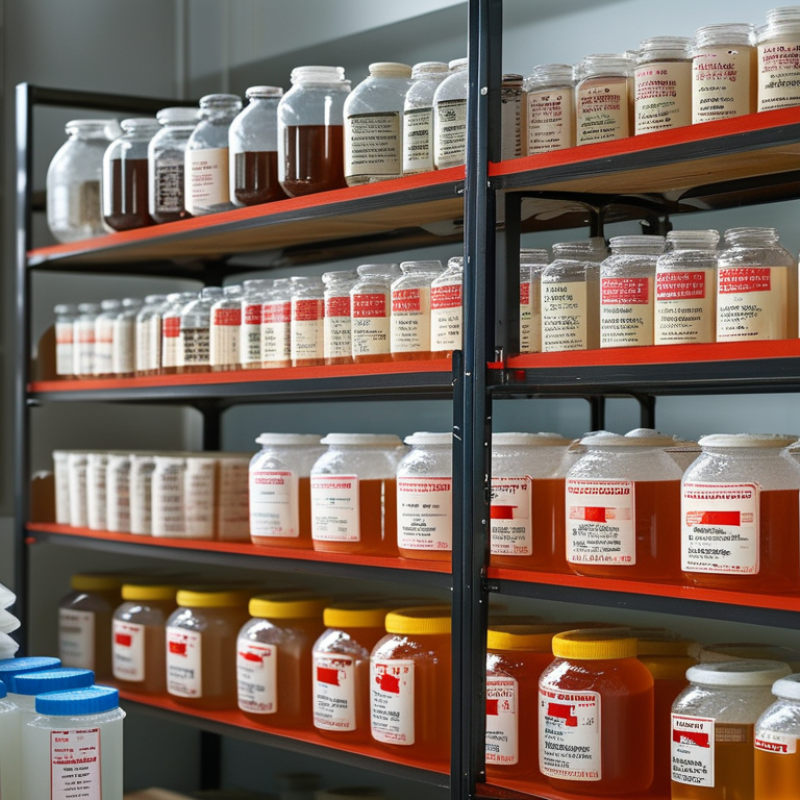
China Best Gelatin Factory How to Find a Reliable Supplier?

Define Product Specs: Bloom Strength 50–300 g, Moisture ≤14%, and Ash Limits

When evaluating a China gelatin factory, define technical specifications before discussing price. Bloom strength should match your application, from 50 to 300 g. A factory should provide test results for every stated range. Ask how Bloom is measured, including temperature, concentration, and testing time. Small testing differences can produce misleading comparisons.

Moisture must remain at or below 14%. Request the actual result, not only a general compliance statement. Check the production date, lot number, packaging condition, and storage instructions. Ash limits also need a clear maximum value and test method. The correct limit may vary by food, pharmaceutical, or technical use. Do not accept vague wording.

Factory evidence matters. Request recent certificates, laboratory reports, and a retained sample from the same production lot. Compare the sample with the report through an independent laboratory when the order is important. I have found that sealed packaging can still hide uneven moisture distribution. One inspection is not enough. During a factory visit, examine drying areas, weighing records, and batch traceability. I once trusted a polished report without checking its test method. That mistake changed my supplier evaluation process. Now, I compare at least three lots before approving a long-term supply.

Verify Compliance: GB 6783-2013, HACCP, GMP, and ISO 9001 Documentation

When assessing a gelatin factory in China, compliance documents deserve close attention. GB 6783-2013 should be checked against the product type, testing scope, and current regulatory applicability. Request controlled copies of certificates and recent laboratory reports. Check the issue date, facility address, approval scope, and issuing organization. Small mismatches matter. A certificate alone cannot prove reliable production.

HACCP records should show hazard analysis, critical limits, monitoring forms, and corrective actions. Look for completed records, not polished templates. GMP evidence should cover sanitation, water quality, pest control, traceability, and employee hygiene. A practical audit should follow the process from receiving and pretreatment to extraction, drying, and packing. ISO 9001 supports a quality management system, but it cannot guarantee every batch is perfect. This point is often overlooked.

Ask for recent certificates of analysis, retained-sample procedures, allergen controls, and complaint response timelines. Compare selected results with independent laboratory tests when the order value or application requires it. Confirm whether the gelatin is bovine, porcine, or fish, and review source documentation carefully. Remote audits save time. They cannot replace every site visit. Check document revisions annually, because standards and certificates may change. Record unresolved gaps and agreed deadlines. Trust grows through evidence, not confident promises.

Audit Raw-Material Traceability for Bovine, Porcine, and Fish Gelatin Sources

When evaluating a gelatin factory in China, begin with the raw-material trail, not the finished powder. Ask for lot-specific records covering collection, transport, processing, and storage. Bovine gelatin should have clear cattle-source documents and veterinary certificates. Porcine materials need separate identification and controlled handling. Fish gelatin requires species records, harvest areas, and supplier declarations.

Traceability must continue through every production step. During a site audit, check receiving logs, warehouse labels, cleaning records, and batch links. Follow one lot from incoming material to final packaging. Shortcuts become visible. Verify whether storage areas separate different animal sources and whether labels match production records. Review laboratory methods for species confirmation, moisture, microbiological safety, and heavy metals. Independent testing can strengthen confidence, especially when paperwork appears unusually perfect.

Do not accept certificates without checking dates, issuing laboratories, and matching lot numbers. A reliable supplier should explain deviations instead of hiding them. I have found that one missing signature can reveal a weak control system. Yet an audit is only a snapshot. Revisit the factory, compare repeated batches, and test random samples. Records may be complete while workers follow informal practices. That gap deserves attention. Supplier reliability depends on evidence, consistent behavior, and honest responses when something goes wrong.

China Best Gelatin Factory: How to Find a Reliable Supplier?

Audit Raw-Material Traceability for Bovine, Porcine, and Fish Gelatin Sources

This illustrative audit checklist measures the main evidence categories a reliable gelatin supplier should be able to provide. A complete review should connect the animal or fish source, processor, batch records, laboratory testing, and transport documents from raw material to finished gelatin.

Compare Capacity, Lead Times, MOQ, and COA Results Across 3–5 Factories

China Best Gelatin Factory: How to Find a Reliable Supplier?

A reliable search should compare three to five factories using the same checklist. The 2024 IMARC market report estimates steady global gelatin growth, increasing pressure on quality and delivery control. Ask each factory for annual capacity, current utilization, and production lines for bovine, porcine, or fish gelatin. A large capacity figure can mislead if most lines are already booked. In my supplier audits, a factory with 8,000 available tons can outperform one claiming 30,000 tons.

Record standard lead times, peak-season delays, and emergency production options. Many suppliers quote 15–30 days, but raw-material shortages may extend delivery. Compare MOQ by grade, mesh size, packaging, and private formulation. A low MOQ sometimes hides a higher unit cost. Request three recent COAs, not one perfect sample. Check gel strength, viscosity, moisture, pH, ash, microbiological results, and heavy-metal limits against the agreed specification. JECFA technical specifications also support checking identity, purity, and contaminant controls.

Tips: Build one comparison sheet. Score capacity at 20%, lead time at 20%, MOQ at 15%, and COA consistency at 30%. Reserve 15% for audit findings. Ask for laboratory methods and test dates. Visit the drying room if possible. It reveals hygiene habits quickly. I would not rely on certificates alone. Paperwork may be current, while production reality changes. Re-test a retained sample before signing a long-term contract.

Validate Samples with Microbial, Heavy-Metal, and Viscosity Testing Before Contract

Finding a reliable China gelatin factory starts with evidence, not polished factory photos. During supplier checks, I request representative samples from the intended production line. The sample should match the proposed grade, source, bloom strength, mesh size, and moisture range. Ask for batch numbers and a current certificate of analysis. A sample is only a starting point. It cannot prove stable production alone.

Before signing a contract, send sealed samples to an independent laboratory. Microbial testing should examine total counts, yeast, mold, and relevant pathogens. Heavy-metal testing should cover lead, arsenic, cadmium, and mercury. Results must show clear units and detection limits. Do not accept “passed” without numbers. Small detail, big risk. Compare the report with your destination market’s limits and intended use.

Viscosity testing needs controlled temperature, concentration, hydration time, and instrument settings. Otherwise, laboratories may produce different results from identical gelatin. I prefer duplicate tests and a retained sample from the same lot. The factory should explain deviations, corrective actions, and traceability records. If answers arrive late or change between emails, pause the contract. I have seen attractive samples fail consistency checks after scale-up. That experience made me less trusting, not more negative. A written specification, approved testing plan, and sample-retention clause can expose weaknesses before payment.

You've just added this product to the cart:

0
    0
    Your Cart
    Your cart is empty