How to Choose the Right Lithium Batteries for Your Needs?
Choosing the right Lithium Batteries can be challenging. The market offers various types, each designed for specific applications. According to the 2022 Battery Industry Report, the demand for Lithium Batteries is projected to grow by 25% annually. This rapid growth reflects their importance across sectors such as consumer electronics, automotive, and renewable energy.
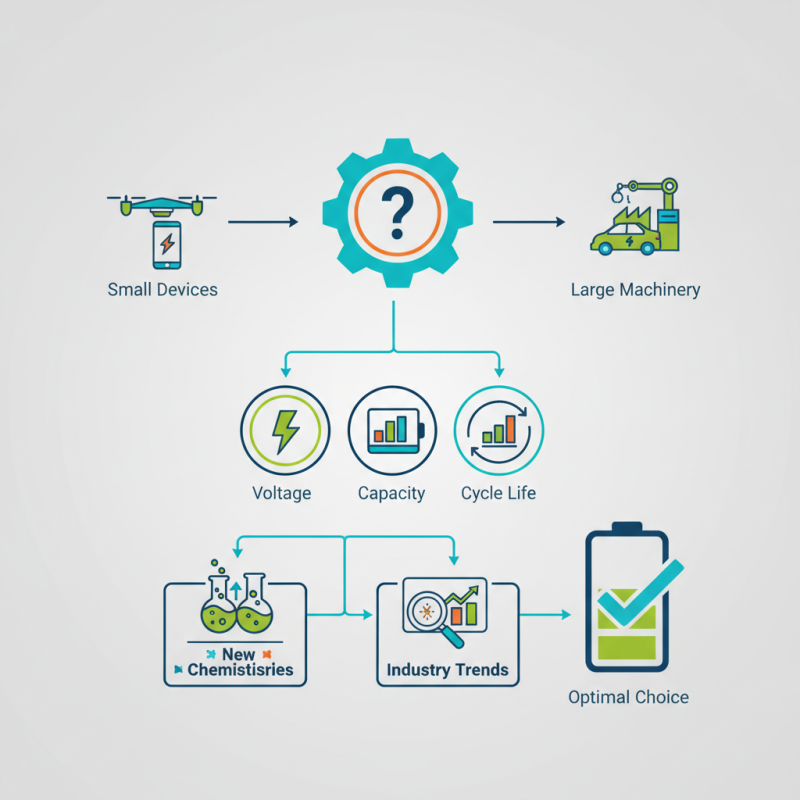
Understanding your needs is essential. Are you powering small devices or larger machinery? For example, a consumer gadget may only need a standard lithium-ion cell. However, electric vehicles require high-capacity batteries for efficiency. It's crucial to consider voltage, capacity, and cycle life. Inadequate knowledge may lead to suboptimal choices and wasted investment.
Additionally, advancements in battery technology continuously evolve the landscape. New chemistries promise higher energy densities and faster charging capabilities. However, not all innovations suit every application. With such variety, staying informed about industry trends is vital. Selecting the right Lithium Battery could significantly affect overall performance and longevity. Reflection on your particular needs is key to making informed decisions.
Understanding Different Types of Lithium Batteries Available in the Market
When choosing lithium batteries, understanding their types is crucial. There are primarily three types: Lithium-ion, Lithium Polymer, and Lithium Iron Phosphate. Each has unique characteristics that cater to different needs. According to industry reports, Lithium-ion batteries dominate the market, accounting for over 60% of battery sales in 2022. This type is well-known for its high energy density, which is approximately 150-200 Wh/kg. However, they can be sensitive to temperature changes.
Lithium Polymer batteries are lighter and offer greater flexibility in shape. They typically have a slightly lower energy density, around 100-150 Wh/kg. This can be a drawback for some applications, where power is essential. Data suggests that their market share is around 25%. Despite being versatile, the durability of these batteries can raise concerns. Users often find that they require careful handling.
Lithium Iron Phosphate is gaining traction due to its safety features. They provide around 90-160 Wh/kg of energy. However, they charge more slowly and have a lower energy density. Reports indicate that this type is favored in applications where safety outweighs power demands. It's key to thoroughly assess your specific needs before making a decision. Each battery type has trade-offs that require careful consideration and reflection.
Evaluating Your Power Requirements and Application Needs
When selecting lithium batteries, understanding your power requirements is crucial. Consider how much energy your application needs to function properly. For instance, devices like drones or electric bicycles have different energy demands. Calculate the watt-hours required for continuous operation. This will help you determine the capacity of the battery you need.
It's not just about capacity. Evaluate the discharge rate as well. Some applications may need a fast discharge rate. Others may be fine with a slower one. Think about how often you will recharge the battery. If you need frequent recharging, make sure the chosen battery supports quick charging. However, choosing a battery with a rapid charge rate may affect its longevity.
Lastly, consider the environmental conditions in which the battery will operate. High temperatures can reduce battery performance. Cold environments can hinder efficiency too. Make sure the battery specifications align with your usage scenarios. It's a balance of power, performance, and reliability that often requires careful thought. Reflect on these aspects before making a decision.
Key Features to Consider When Selecting Lithium Batteries
When selecting lithium batteries, key features should be your focus. Capacity is crucial. It determines how long your devices will perform. A battery with higher capacity lasts longer. But a larger battery may also add weight. This is essential for portable devices. Consider where and how you will use the battery.
Discharge rate is another feature to check. It affects how the battery performs under load. Some applications need high discharge rates. Others work fine with standard rates. Look carefully at your device requirements. Temperature range matters as well. Some batteries thrive in extreme conditions. Others may fail. The climate where you live can impact performance too.
Safety features cannot be overlooked. Some batteries have built-in protection against overcharging or overheating. These designs help prevent accidents. However, they might also add to the cost. Weigh the risks against your budget. It's a tricky balance. Take your time selecting. Consider all these features to ensure the right choice.
Comparing Cost, Performance, and Lifespan of Lithium Batteries
When selecting lithium batteries, understanding cost, performance, and lifespan is crucial. The price can vary significantly. Some may appear cheaper but might lack longevity. Meanwhile, others may cost more upfront but save you money over time. Calculate the long-term costs. A low-cost battery may require more frequent replacements. This adds up quickly and can be deceptive.
Performance is another critical factor. Lithium batteries differ in energy density, which affects how long they last in use. High-capacity options deliver more power but may come at a premium. Pay attention to discharge rates too. If a battery can't handle high demand, it may not be suitable for your needs. Sometimes, less performance means more savings, but it can lead to disappointment when it doesn’t meet your expectations.
Lifespan varies as well. Many lithium batteries can last several years, depending on usage and charging habits. Improper care can shorten their lifespan. Frequent full discharges may lead to quicker degradation. Reflect on your usage patterns and charging methods. Prioritize options that align with your routine to maximize longevity and efficiency. Think critically and make informed choices to find the best fit.
Safety Considerations and Best Practices for Lithium Battery Use
Lithium batteries have changed the way we power devices. However, safety should always be a priority. Reports suggest that improper use can lead to hazards like overheating or fires. According to the National Fire Protection Association, lithium battery incidents have increased by 30% over the past five years. This alarming trend emphasizes the need for awareness.
Always inspect your batteries before use. Look for signs of damage or swelling. If you find any irregularities, dispose of them properly. Avoid charging batteries overnight or when you aren’t present. A common oversight is leaving devices plugged in unnecessarily. This may cause overheating, damaging the battery in the long run.
Tip: Store lithium batteries in a cool, dry place. High temperatures can destabilize them. It’s also wise to use the appropriate charger for your batteries. Using an incorrect charger may lead to short circuits. Regularly check battery health too. A decline in performance can be an early warning sign of deeper issues that require attention. Stay informed and practice these strategies to ensure safety.


