How to Choose the Right Cash Register Paper Size for Your Business?
Choosing the right cash register paper size is crucial for any business that relies on transactions. The size of the cash register paper affects various aspects of your operations, including receipt clarity and printer compatibility. Different industries often have specific requirements, making it essential to understand what works best for you.
When selecting cash register paper size, consider your customer's needs. A well-sized receipt enhances the customer experience. However, many businesses overlook this, leading to customer dissatisfaction. Beyond convenience, using the proper size can impact the overall efficiency of your cash management system.
The choices can be overwhelming. Options may vary from 2-inch rolls to 4-inch ones. Each size can influence how information is displayed. It is vital to reflect on how your choice aligns with your business model. Are you prioritizing cost, or is durability more critical? Evaluating these factors could help in making a more informed decision.
Understanding Different Cash Register Paper Sizes
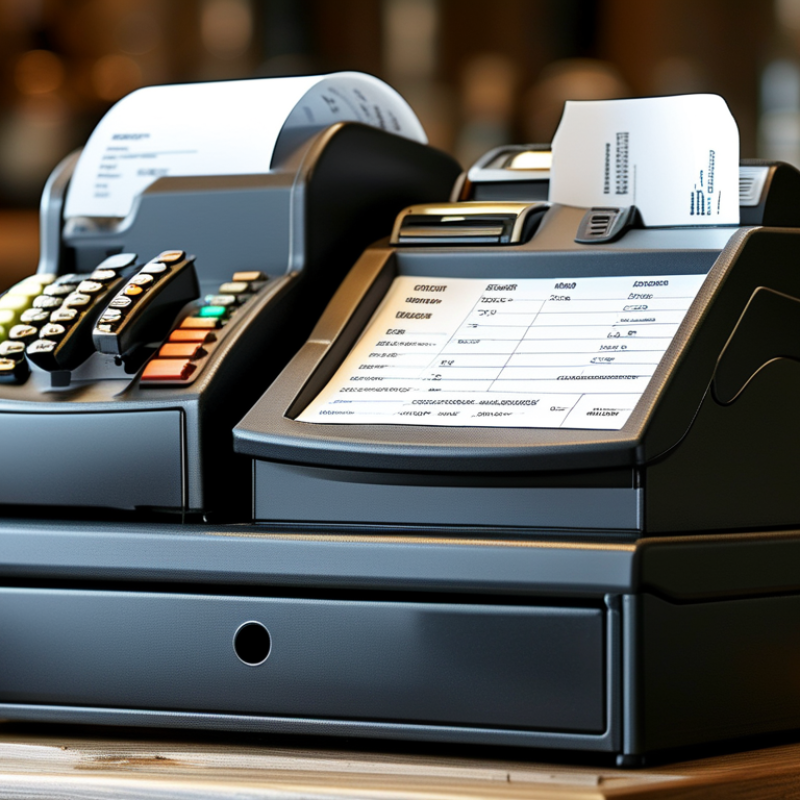
When it comes to cash register paper, sizes vary significantly. Most businesses use 2.25-inch or 3-inch wide paper rolls. These widths affect not only printing efficiency but also how customers perceive transactions. For example, a wider roll often provides clearer information, improving customer satisfaction. According to industry research, using 3-inch paper can increase readability by up to 30%.
Consider the length of the roll as well. Standard lengths include 50 feet or 230 feet. A longer roll means less frequent replacements, which can enhance operational efficiency. However, larger rolls may not fit all cash registers, requiring businesses to evaluate compatibility. If the wrong size is chosen, not only does it waste resources, but it can disrupt service during peak hours.
Evaluating your needs also includes the type of business. Retail environments typically favor wider widths for clarity. Conversely, food trucks or smaller kiosks might opt for narrower paper to save space. The right size not only impacts daily operations but can also influence the overall customer experience. Therefore, choosing the right cash register paper size is a crucial step that deserves careful thought.
How to Choose the Right Cash Register Paper Size for Your Business?
The following chart illustrates the different cash register paper sizes and their common usage among businesses. This data will help you understand which paper size might be best for your needs.
Evaluating Your Business's Receipt Printing Needs
When considering receipt printing needs, businesses often overlook crucial factors. The size and type of cash register paper can significantly impact efficiency and customer satisfaction. A recent industry report indicated that 70% of consumers prefer printed receipts. This preference highlights the necessity for businesses to evaluate their cash register paper requirements carefully.
Understanding the volume of receipts printed daily is essential. A busy retail store might require a roll that lasts longer than typical sizes, whereas a smaller café may prefer shorter rolls for frequent changing. The standard sizes are 80mm, 57mm, and 44mm, each serving different needs. Choosing incorrectly can lead to waste. The average waste material from improperly sized rolls can exceed 20%, according to a 2023 survey on retail operations.
Moreover, environmental factors play a critical role. Businesses are increasingly aware of sustainability goals. Selecting eco-friendly paper can enhance a company’s image and meet customer expectations. Research shows that 60% of consumers are willing to pay more for sustainable products. Yet, many businesses still struggle to find the balance between cost and quality, leading to reflections on their long-term strategies. Thus, assessing receipt printing needs goes beyond mere sizes; it involves a complex interplay of efficiency, customer preference, and environmental impact.
Considering Compatibility with Your Cash Register Model
When choosing cash register paper, it’s essential to consider the compatibility with your specific cash register model. Different models may require varying widths and lengths of paper rolls. Understanding your machine’s specifications can save you headaches in the long run. Measure the existing roll or consult the user manual. Ensuring you get the right size will prevent frequent jams and paper tearing.
In addition to size, check the core diameter of the paper roll. Some registers accommodate larger cores, while others may not. If you purchase the wrong size, you might end up with unusable supplies. This can lead to wasted time and money. Ensure your supplier provides clear size specifications.
Remember that paper quality also matters. Thicker rolls may be more durable, but they can cause issues if your register isn’t designed for them. Handling the wrong type can result in misprints and increased maintenance needs. Stay informed about your cash register’s capabilities. Adjusting your choice based on practical experiences will lead to better results.
Assessing Cost and Availability of Various Paper Sizes
When selecting cash register paper sizes, consider both cost and availability. Various sizes can affect your budget. Larger rolls may seem more economical but can be more challenging to find. Pricing can also fluctuate based on demand. Research local suppliers to see which sizes they stock frequently. This can prevent running out of paper unexpectedly.
When assessing options, think about the frequency of your transactions. If your volume is high, buy in bulk. This can save money in the long run, but be cautious. Overestimating your needs may lead to excess inventory. Always balance cost against your actual usage.
Explore alternative sources for better deals. Online vendors often have competitive prices. However, be wary of shipping costs that can add up. Always review your supplier's reputation before making a purchase. Making informed choices can enhance your business's operational efficiency while keeping expenses manageable.
Making an Informed Decision Based on Usage Frequency
Choosing the right cash register paper size can greatly impact your business operations. It is essential to consider how often you print receipts. Businesses that make numerous transactions daily will have different needs compared to those with occasional sales. If you process hundreds of transactions a day, a larger roll might save time and reduce the frequency of replacements.
Usage frequency guides your decision. For instance, if you are a small café with steady but not overwhelming sales, smaller paper rolls may suffice. However, a busy retail store should prioritize efficiency and opt for larger rolls. Misjudging the size could lead to interruptions in service, creating a frustrating experience for both staff and customers.
Take time to evaluate your printing habits. Observe how many receipts are printed daily. This may reveal surprising insights. Some businesses discover they often run out during peak hours. Others find they’re using oversized paper for minimal prints. Reflecting on your specific needs is crucial. Choosing the right size enhances efficiency and customer satisfaction.


