How to Choose the Best Compostable Packaging Materials?
Choosing the right Compostable Packaging Materials is crucial for businesses aiming to reduce their environmental impact. John Stokes, an expert in sustainable packaging, once stated, "Opting for compostable packaging is a commitment to a cleaner planet." This highlights the importance of making informed choices in this evolving industry.
Compostable packaging materials come in various forms. Their environmental benefits are clear, but not all types are created equal. Factors such as biodegradability, sourcing, and end-of-life options should be considered carefully. It's essential to balance functionality with sustainability.
Yet, the journey to finding the best solutions can be daunting. Some products may not perform well under certain conditions, which leads to failures in composting processes. Understanding these nuances is key for businesses. Each decision influences sustainability efforts and impacts the larger ecological footprint.
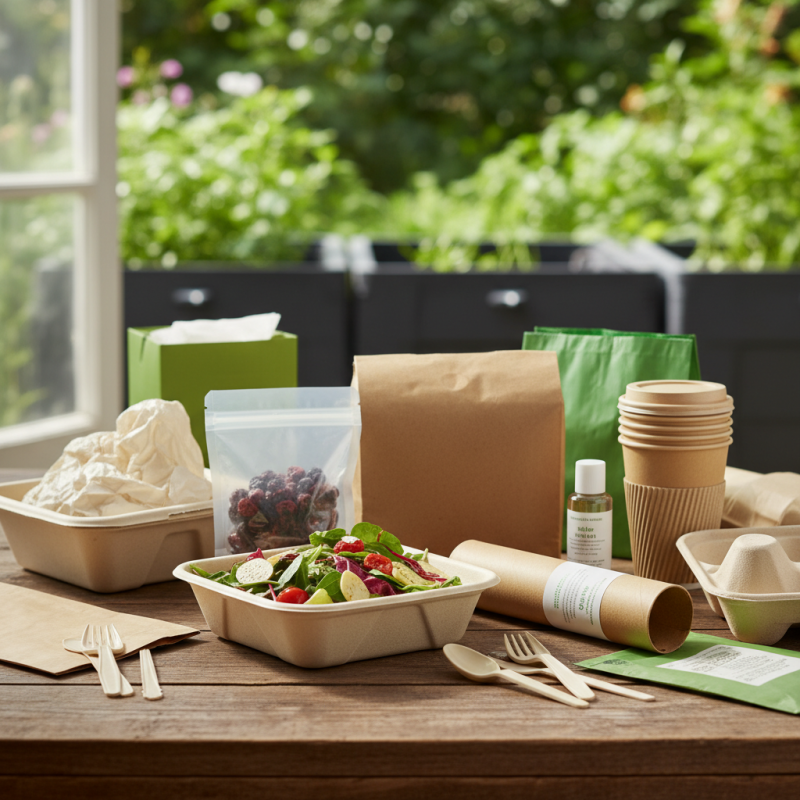
Understanding Compostable Materials: Types and Benefits
Compostable materials are gaining attention in packaging solutions. They break down naturally, reducing waste in landfills. According to a recent report by the Biodegradable Products Institute, compostable packaging can reduce greenhouse gas emissions by up to 30% when compared to traditional plastic. This impact is increasingly vital as consumers demand greener options.
Understanding the types of compostable materials is key. There are plant-based options like PLA (polylactic acid) and cellulose. These come from renewable resources, ensuring sustainability. The market for compostable packaging is projected to reach $22 billion by 2026, as per Smithers Pira. This growth reflects a shift towards eco-friendly choices, catering to environmentally conscious consumers.
However, challenges remain. Not all compostable products break down effectively in home compost settings. Many require industrial facilities to decompose properly. This need for specific processing can limit their effectiveness. Stakeholders should advocate for accessible composting infrastructure to solve this issue. The journey towards truly sustainable packaging involves continuous learning and adaptation.
Evaluating Biodegradability and Environmental Impact
When considering compostable packaging, evaluating biodegradability is crucial. Not all materials labeled as compostable break down efficiently. Understanding how different materials decompose in various environments is essential. Composting systems vary widely. Industrial composting facilities can reach high temperatures, aiding breakdown. Home composting often does not reach these temperatures, impacting degradation rates.
Another important factor is the environmental impact of the materials used. Many compostable options come from renewable resources, like plant starch. However, sourcing these materials might involve land use, water consumption, and energy costs. For instance, the production of corn-based plastics raises concerns about monoculture farming and pesticide use. Consumers often overlook these hidden costs in favor of greener options.
It’s also worth noting that certification systems exist for compostable materials, but they differ globally. Some certifications may not guarantee full biodegradability in all environments. Researching and understanding these certifications can feel overwhelming. The complexity surrounding compostability necessitates a thoughtful approach. This reflection invites consumers to consider the broader implications of their choices.
Key Certifications for Compostable Packaging
When selecting the right compostable packaging materials, certifications play a crucial role. The industry widely recognizes two key certifications: ASTM D6400 and EN 13432. Both provide guidelines on compostability, ensuring materials break down within a specified time frame. According to a report by the Association of Plastic Recyclers, compostable materials must disintegrate into non-toxic elements, creating a safe environment for compost ecosystems.
Certifications like BPI (Biodegradable Products Institute) also add credibility. This organization tests products rigorously. It ensures they meet specific compostability standards, giving consumers confidence. A practical approach is to look for these certifications on packaging. They indicate a commitment to reducing waste.
Tip: Always check for certifications before making a purchase. It can make a significant difference in sustainability efforts.
Another factor to consider is the source of materials. Some compostable packaging can contain non-renewable resources, which is counterproductive. Industry data suggests that 35% of labeled compostable products do not meet the compostability guidelines. This discrepancy emphasizes the importance of researching and scrutinizing packaging options.
Tip: Engage with suppliers to understand their sourcing and certification processes. Transparency is vital in making informed choices.
Compostable Packaging Materials Comparison
Factors to Consider When Selecting Compostable Packaging
Selecting the right compostable packaging materials involves a variety of factors. One essential consideration is the material's compostability. Not all materials labeled as compostable break down efficiently. Look for certifications from recognized organizations. These certifications ensure that the product will decompose under commercial or home composting conditions.
Another vital aspect is the source of the materials. Bioplastics produced from renewable resources, such as cornstarch or sugarcane, can be a good choice. However, it's essential to investigate the sourcing practices. Are they sustainable? Transparency in sourcing can significantly influence your decision.
The end-of-life disposal options are equally important. Can consumers compost the packaging easily at home? Clarity in labeling helps consumers make informed decisions. Packaging that requires industrial composting may not be practical for all users. Therefore, consider the overall environmental impact, including the life cycle of the materials. Balancing performance, cost, and sustainability can be challenging. Each choice matters in the broader context of eco-friendliness.
Comparing Compostable Packaging Options for Various Industries
In today's world, choosing the right compostable packaging materials is crucial for various industries. Each sector has unique requirements. Restaurants, for instance, often need packaging that can withstand heat and moisture. Choosing plant-based materials can support this need, as they offer durability without harming the environment.
In the e-commerce sector, companies may opt for biodegradable packing peanuts or paper mailers. These materials protect items during delivery while ensuring minimal impact on landfills. However, some materials may not decompose effectively in a home compost setup. It’s essential to consider the entire life cycle of packaging.
[Image]Furthermore, the agricultural industry can utilize compostable films for produce bags. These films help reduce plastic waste. Not all options are created equal. Some compostable materials require specific conditions to break down. Evaluating certifications can guide better choices. Remember, not every compostable option will suit every business need. Understanding the materials and their properties is vital for making informed decisions.


