How to Choose the Best Industrial Vacuum Sealer for Your Needs?
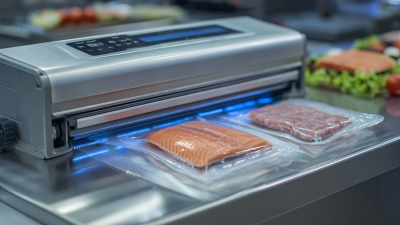
Choosing the right industrial vacuum sealer can be a daunting task. The global industrial vacuum sealer market is projected to reach $2.5 billion by 2026, reflecting the growing demand for efficient packaging solutions. Businesses across various sectors, from food processing to pharmaceuticals, rely on vacuum sealers to enhance product shelf life, reduce waste, and improve efficiency.
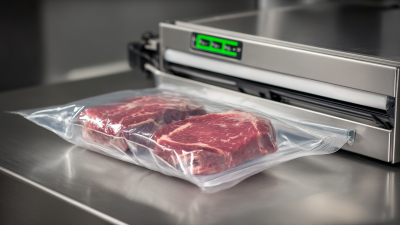
An effective industrial vacuum sealer streamlines production and reduces the risk of contamination. Reports indicate that sealing using vacuum technology extends the freshness of perishable goods by up to 500%. However, not all sealers are created equal. Factors like sealing speed, chamber size, and maintenance needs can significantly impact your operations. While some companies prioritize price, others may overlook the potential long-term savings of investing in high-quality equipment.
Identifying the best industrial vacuum sealer requires careful consideration. Failure to choose the right model could lead to operational inefficiencies. It's crucial to evaluate your specific needs and understand the limitations of various types available. Making an informed decision can greatly enhance the effectiveness of your packaging process and, ultimately, your bottom line.
Understanding the Different Types of Industrial Vacuum Sealers
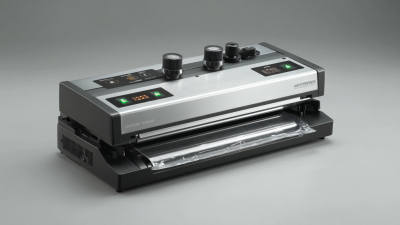
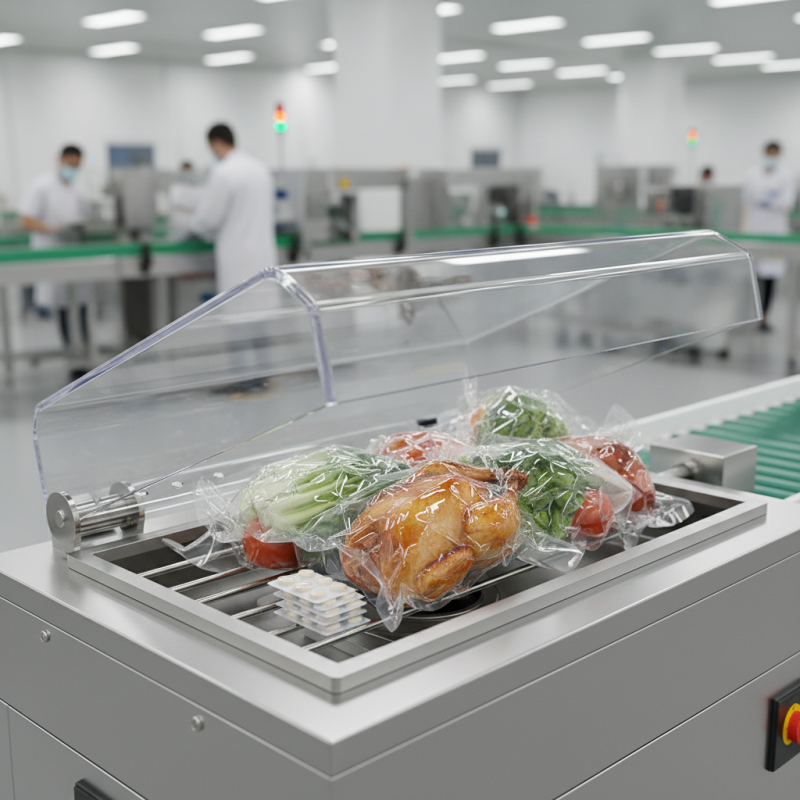
When choosing an industrial vacuum sealer, it's vital to understand the types available. There are three primary categories: chamber, external, and bag sealers. Chamber sealers work well for liquids and bulk items. They can create a vacuum within a chamber, ensuring airtight seals. Data shows they reduce spoilage rates by up to 30%. This efficiency makes them a preferred choice in food processing and manufacturing sectors.
External sealers, on the other hand, are versatile and more affordable. They are suitable for sealing smaller packages and are often used in retail environments. Their design limits their effectiveness for moist or liquid products. A study indicated that external sealers may not achieve the same level of preservation as chamber sealers. This difference can lead to varied shelf lives for the sealed products.
Bag sealers stand out for their mobility and ease of use. They are ideal for businesses that require frequent relocation of equipment. However, one must recognize that these sealers may create less consistent vacuum levels. Proper training and adjustment are crucial to achieving optimal results. Evaluating your operational needs against these sealer types can significantly impact your efficiency and product longevity.
How to Choose the Best Industrial Vacuum Sealer for Your Needs?
| Type of Vacuum Sealer |
Ideal Use |
Sealing Width |
Price Range |
Key Features |
| Chamber Vacuum Sealers |
Large batches of food |
Up to 16 inches |
$1,500 - $4,000 |
Quick sealing, reliable vacuum |
| External Vacuum Sealers |
Small food items |
Up to 12 inches |
$100 - $500 |
Compact, user-friendly |
| Vertical Vacuum Sealers |
Soups and liquids |
Varies |
$500 - $1,500 |
Designed for liquids, efficient |
| Automatic Vacuum Sealers |
High-volume production |
Standardized widths |
$3,000 - $10,000 |
High efficiency, multi-tasking capabilities |
| Handheld Vacuum Sealers |
On-the-go sealing |
N/A |
$30 - $100 |
Portability, convenience |
Key Factors to Consider When Choosing an Industrial Vacuum Sealer
Choosing the right industrial vacuum sealer is crucial for efficiency. One of the key factors to consider is the sealing capacity. Different applications require different sealing sizes and power levels. A small sealer might work for modest operations, but a larger one could be needed for heavy-duty tasks.
Another important aspect is the machine’s durability. Look for materials that can withstand rigorous use. Stainless steel is often a strong choice. Additionally, the ease of maintenance shouldn’t be overlooked. A complex device may require frequent service, which can impact productivity.
Consider the technology used in the sealer. Advanced features can enhance user experience. Automated settings can save time, but they also require training. Finally, remember that not every machine suits every need. Reflecting on specific requirements will guide you to a suitable choice.
Factors Impacting Selection of Industrial Vacuum Sealers
Evaluating Vacuum Sealer Features for Specific Industry Needs
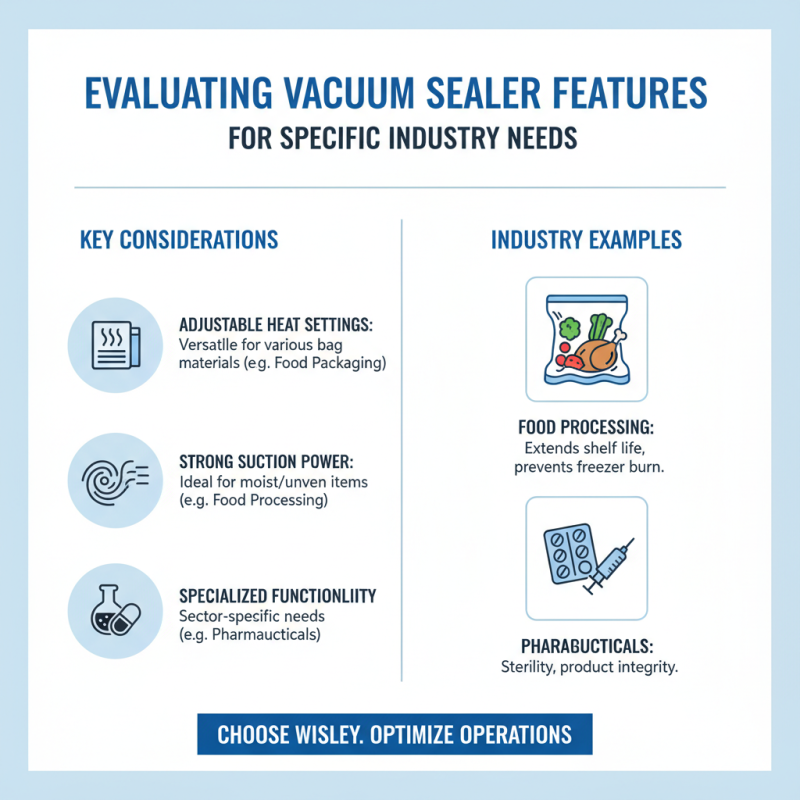
When evaluating a vacuum sealer for your industry, consider key features that suit your specific needs. Different sectors, like food processing or pharmaceuticals, require unique functionality. For food packaging, a model with adjustable heat settings is essential. This allows for sealing various bag materials without risking damage. Look for devices with strong suction power if you’re working with moist or uneven items.
Another aspect to consider is automation. Some businesses may benefit from fully automatic machines that reduce labor costs and errors. Others might prefer manual options for more control over the sealing process. Pay attention to the sealing speed and efficiency, especially in high-demand environments. Your ideal choice should streamline operations while ensuring product quality.
Additionally, durability is crucial. Not all sealers are built for heavy use, leading to frequent replacements. Look for models made from robust materials that withstand wear and tear. It’s worth noting that sometimes, features can overpromise and underdeliver. Conduct thorough research and perhaps request trials to assess real-world performance before committing. Each operation has unique demands, and the right vacuum sealer can make all the difference.
Cost Analysis: Budgeting for Your Industrial Vacuum Sealer Purchase
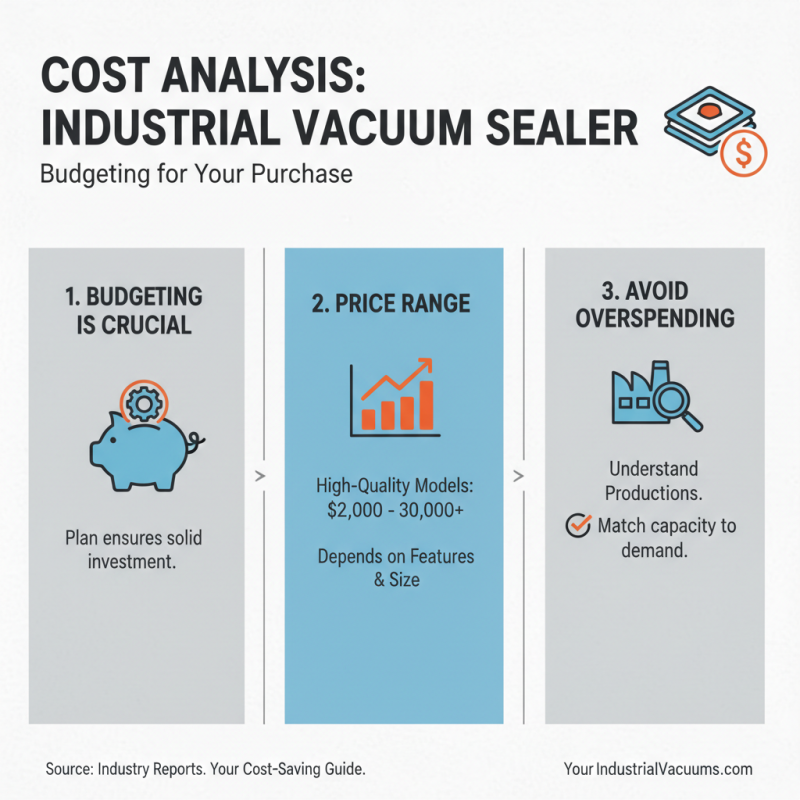
When considering an industrial vacuum sealer, budgeting is crucial. A well-planned cost analysis helps ensure a solid investment. According to industry reports, prices for high-quality models range from $2,000 to over $30,000, depending on features and size. Understanding your production needs is essential to avoid overspending.
Basic models may suffice for smaller operations. However, companies with high-volume needs should prioritize durability and efficiency. Research shows that investing in a higher-end model can save costs in the long run through faster processing and reduced labor expenses. For example, a powerful seal can reduce product spoilage, aligning with sustainability goals.
Tips: Always request quotes from multiple suppliers. This can help ensure you receive the best deal. Also, consider operational costs, such as maintenance and energy consumption. These factors can significantly impact the overall expense of ownership. Emphasizing thorough research will help you make smarter choices.
Maintenance and Support Considerations for Long-Term Use
When choosing an industrial vacuum sealer, maintenance and support are key for long-term use. Regular cleaning is vital to ensure optimal performance. A recent industry report showed that improper maintenance can reduce the equipment lifespan by up to 30%. Follow a maintenance schedule to avoid premature wear. This includes checking seals, cleaning vacuum chambers, and inspecting heating elements regularly.
Expert insight suggests utilizing a reliable support service. Having access to knowledgeable support can save time and reduce operational disruptions. Consider a supplier that offers comprehensive training and troubleshooting assistance. If issues arise, swift support can prevent extended downtime. Many businesses report positive outcomes from ongoing support partnerships.
Tips: Always read the manufacturer’s maintenance guidelines. Set reminders for regular checks. Document any issues to identify recurring problems. This proactive approach helps form a better understanding of the equipment. Aim for a balance between routine tasks and immediate support for unexpected repairs.