What are the Benefits of Using Polyprop Bags for Packaging?
In the world of packaging, Polyprop Bags have emerged as a popular choice. These bags offer a versatile and reliable solution for various industries. Their lightweight nature makes them easy to handle. This feature reduces shipping costs significantly. Many businesses benefit from the durability of Polyprop Bags. They resist moisture and chemicals, keeping contents safe and secure.
Companies across sectors appreciate the customization options that Polyprop Bags provide. Print logos and designs enhance brand visibility. However, reliance on plastic packaging raises environmental concerns. While Polyprop Bags are recyclable, not all consumers recycle them correctly. This creates a challenge for sustainability.
Understanding the benefits and drawbacks of Polyprop Bags is crucial. Businesses need to balance functionality with eco-responsibility. With proper education on recycling, companies can promote better practices. The future of packaging may depend on how effectively we address these issues.
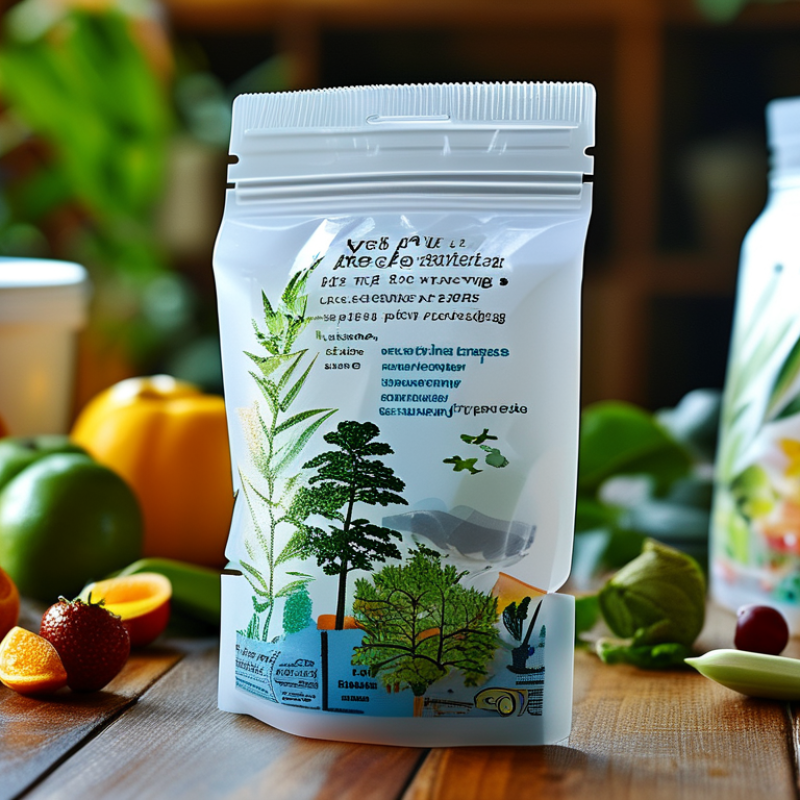
Advantages of Polyprop Bags in Packaging Solutions
Polyprop bags, also known as polypropylene bags, offer a variety of advantages in packaging solutions. Their durability is one of their key benefits. These bags are resistant to tears and punctures. They keep products safe during transportation. This is essential for businesses that ship goods regularly.
Lightweight yet strong, polyprop bags do not add significant weight to packages. This can save on shipping costs. Additionally, they are moisture-resistant. This property helps protect items from environmental factors. In sectors like food packaging and textiles, these features are particularly important.
Tips for Choosing Polyprop Bags: Always evaluate the thickness of the bags based on your product's needs. Thicker bags provide better protection but may cost more. Consider printed polyprop bags to enhance brand visibility. Colorful designs attract consumer attention.
Another aspect to ponder is the environmental impact. While polyprop bags are recyclable, they may not decompose easily. Consumers are becoming increasingly aware of eco-friendly options. Balancing cost, durability, and environmental friendliness can be challenging but essential for modern packaging solutions.
What are the Benefits of Using Polyprop Bags for Packaging? - Advantages of Polyprop Bags in Packaging Solutions
| Benefit | Description | Environment Impact | Cost Effectiveness |
| Durability | Polyprop bags are strong and resistant to tearing. | Can reduce waste due to their longevity. | Cost-effective for bulk shipping and storage. |
| Lightweight | They add minimal weight to shipments, reducing transport costs. | Lower carbon footprint due to reduced fuel consumption in logistics. | Saves money on shipping costs. |
| Water Resistance | Protects contents from moisture and environmental damage. | Prevents damage, potentially reducing wastage. | Less need for replacement due to damage. |
| Customization | Available in various sizes, colors, and features. | Flexible options for varied environmental concerns. | Tailored solutions can enhance brand visibility. |
| Recyclability | Can be recycled, supporting sustainable practices. | Contributes to a circular economy. | Potential cost savings through recycling initiatives. |
Durability and Strength of Polyprop Bags Compared to Other Materials
Polypropylene bags, commonly known as polyprop bags, stand out due to their remarkable durability and strength. These bags are made from a thermoplastic polymer, which gives them a robust structure. Unlike paper or traditional plastic bags, polyprop bags resist tears and punctures effectively. This capability allows them to carry heavy loads without compromising their integrity. In busy environments, such as supermarkets, they maintain their shape and functionality, showcasing their reliability.
When comparing polyprop bags to alternatives, it's evident that their resistance to moisture and chemicals offers significant advantages. Unlike paper bags, these do not disintegrate when wet. Their lightweight nature further enhances their appeal, as they are easy to handle and transport. Additionally, while they are strong, the manufacturing process can sometimes be energy-intensive. This complexity raises questions about sustainability and environmental impact. Balancing strength with environmental concerns remains a challenge for manufacturers, prompting a need for continuous innovation in the field.
Cost-Effectiveness of Using Polyprop Bags for Businesses
In today’s competitive marketplace, businesses are constantly seeking cost-effective packaging solutions. Polypropylene bags, often referred to as polyprop bags, offer a promising option. These bags are not only affordable to produce, but they also serve multiple purposes across various industries. Their lightweight nature can significantly reduce shipping costs. This aspect can benefit both small startups and large corporations alike.
Many businesses hesitate to switch to polyprop bags due to misconceptions. Some believe these bags lack durability. In reality, polyprop bags are water-resistant and can withstand diverse environmental conditions. They also provide an excellent barrier against dust and moisture. This versatility is particularly useful in sectors like food and retail, where product safety is crucial. However, not all polyprop bags meet high-quality standards. It’s vital for businesses to evaluate suppliers carefully.
Another critical factor is the environmental impact. While polyprop bags are recyclable, improper disposal can lead to waste issues. Businesses need to promote responsible handling. Customers are becoming more environmentally conscious, and their preference can influence brand success. A balance between cost-effectiveness and sustainability requires ongoing reflection and adaptation. This dynamic keeps companies responsive to evolving market demands and consumer expectations.
Sustainability Features of Polyprop Bags for Eco-Friendly Packaging
Polypropylene bags, often referred to as polyprop bags, offer significant sustainability features for eco-friendly packaging. Made primarily from a thermoplastic polymer, these bags are lightweight yet strong, creating a minimal carbon footprint during production. The Global Plastic Waste Management report indicates that polypropylene is recyclable, making it a more sustainable choice than many other plastics. However, not all regions have effective recycling programs, leading to potential environmental challenges.
The durability of polyprop bags is noteworthy. They can hold heavier items without tearing, reducing the likelihood of waste. Furthermore, they are resistant to moisture and chemicals, extending the lifespan of packaged goods. According to a study by the European Bioplastics Association, using polypropylene can decrease plastic waste by up to 40% when compared to traditional plastic materials. This significant reduction highlights the need for better recycling infrastructures to fully capitalize on these benefits.
While polyprop bags have eco-friendly attributes, there's room for improvement. The production process still relies on fossil fuels, contributing to greenhouse gas emissions. Consumers must be educated about proper disposal methods to enhance recyclability. Striving for better recycling systems and awareness can lead to a more sustainable future. Addressing these issues is vital as we examine the balance between convenience and environmental responsibility.
Versatility of Polyprop Bags for Various Packaging Needs
Polyprop bags are incredibly versatile. They meet diverse packaging needs across various industries. From retail to food service, these bags adapt well. Their lightweight and flexible design allows for easy storage and transport. This is especially useful for businesses looking to save on shipping costs.
These bags come in different sizes and thicknesses. Retailers can use them for clothing, accessories, and more. In the food industry, they are safe and durable for packaging snacks, produce, or bakery items. Their moisture-resistant properties help preserve freshness. However, not all bags perform equally; some may need reinforcement for heavier products.
Polyprop bags have an eco-friendly edge. They can be recycled and reused, which appeals to environmentally conscious consumers. Yet, it’s essential to ensure proper disposal to minimize environmental impact. A few drawbacks exist, such as potential visibility of contents, which may not be ideal for all products. Still, when utilized thoughtfully, polyprop bags can be a superior choice for efficient packaging solutions.


