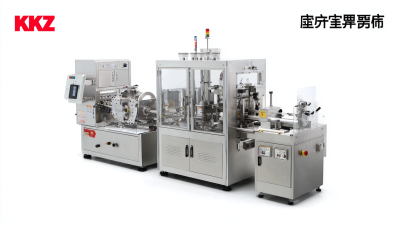
Choosing a bag sealer machine requires more than comparing prices on a supplier website. Global buyers must connect machine performance with packaging materials, factory conditions, local power standards, and after-sales support. A low-cost unit may look attractive, yet unstable sealing temperature can create leaking packages and unnecessary product waste.
This guide shares practical buying considerations drawn from equipment evaluation and everyday packaging work. A tabletop impulse sealer may suit small batches, while continuous band equipment can support higher output. Important details include sealing width, temperature range, conveyor speed, compatible film types, and operator safety features. Ask suppliers to test your actual bags, not only their sample materials. A clear video can reveal wrinkles, weak seals, or uneven feeding. Small details matter.
Reliable suppliers should provide accurate specifications, user manuals, warranty terms, spare-part lists, and realistic delivery information. Confirm voltage, frequency, plug type, language options, and applicable quality documentation before placing an order. Independent test reports may be useful, but buyers should verify what each document actually covers. Certification names alone do not prove complete suitability for your market.
The ten buying tips will help you compare equipment with greater confidence. They also encourage careful questions about maintenance, cleaning, training, and total ownership cost. I have seen buyers focus on purchase price and overlook replacement heaters, sealing tapes, or shipping damage. That mistake is easy to make. It is also expensive. No single machine fits every operation, so review the evidence, challenge vague promises, and leave room for a second opinion before signing.
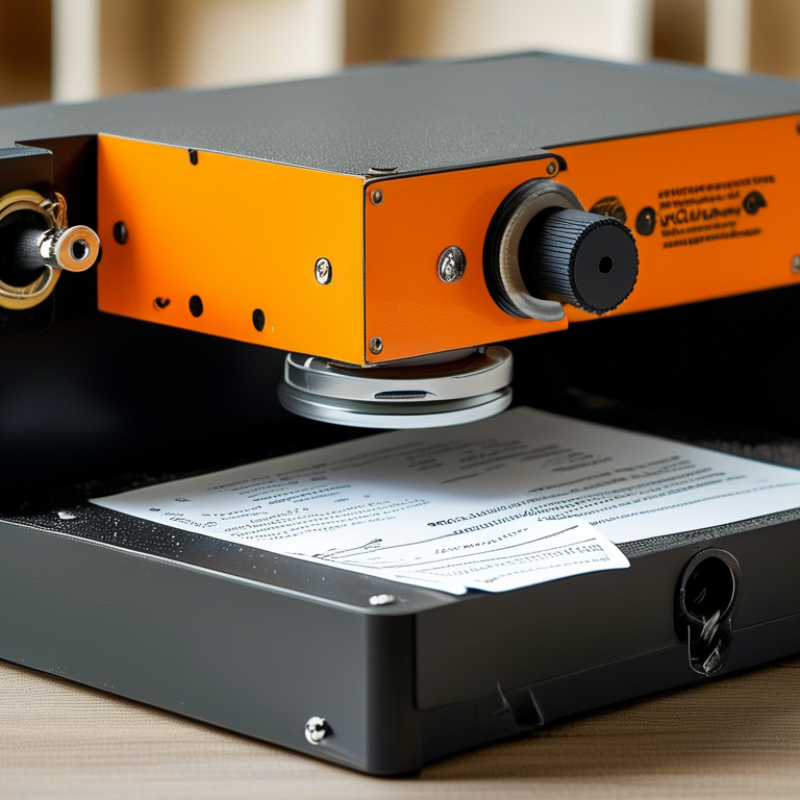
Define the bag type before comparing machines. A flat polyethylene pouch behaves differently from a laminated stand-up bag. Paper-lined bags may require another sealing method. During equipment trials, I check the opening width, gusset shape, and seal location. Small differences can change feeding stability. A machine that handles one pouch well may struggle with another.
Film thickness is equally important. Thin films can wrinkle or burn when pressure stays too high. Thick laminates may need more heat and longer dwell time. Most practical trials begin within 120–180°C, then adjust carefully.
I record temperature, conveyor speed, pressure, and seal appearance. The seal should look continuous, clean, and firm, without melted edges.
Do not trust the display alone. A surface probe or calibrated thermometer can reveal uneven heating.
Material testing remains essential. A sample seal may pass by hand but fail during transport vibration. I recommend testing several bags from different production batches. Humidity can also affect paper and certain films. One mistake I made was judging sealing quality too quickly. The first result looked excellent, yet cooling was incomplete. Allow the seal to cool before pulling it. Ask suppliers for trial data, maintenance details, and replacement-part specifications. Clear records make global purchasing decisions more reliable.
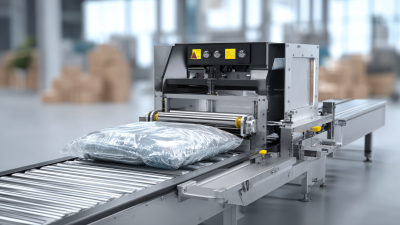
Seal width is a small setting with a large effect. A 2–3 mm seal suits light polyethylene bags and low product stress. Heavier laminates often need 5–8 mm for better pressure distribution. A 10–12 mm seal adds tolerance, but it may increase heat demand and material use. Test real bags, not only supplier samples.
Speed must be measured with usable output, not empty-belt performance. A machine rated at 20 meters per minute may slow near 12 meters when operators align uneven bags. PMMI’s Packaging Machinery Trends research identifies labor availability and automation as major purchasing pressures. That makes stable feeding more valuable than an impressive maximum speed. Calculate output per hour after rejecting weak seals and counting changeovers. Smithers’ flexible packaging market analysis forecasts continued global growth through 2028, increasing pressure on consistent production. Still, higher volume does not excuse poor sealing. Watch temperature recovery, conveyor loading, and seal-jaw dwell time. Very fast machines can create wrinkled closures.
Ask for capacity data at your actual bag size, film thickness, and product weight. Compare 2–12 mm seal options under identical conditions. Record sealed bags per hour, energy use, waste, and operator adjustments. I would not trust a capacity claim without a timed trial. That lesson is easy to overlook. Spare heating elements, accessible controls, and clear manuals also affect global reliability.
A bag sealer can appear ready to run, yet the wrong electrical specification may stop production immediately. Check the machine nameplate, not only the supplier’s online listing. Confirm rated voltage, frequency, power consumption, plug type, and phase. A 220–240V, 50Hz model may not perform correctly on a 120V, 60Hz supply. Small differences matter.
Tip: Request photos of the nameplate, plug, control panel, and wiring label before ordering. Ask for the allowed voltage tolerance and startup current. Your local electrician should verify the outlet and circuit capacity. I have seen buyers focus on sealing width and overlook frequency; that mistake becomes expensive after delivery. We should also admit that published specifications can contain errors, so written confirmation is safer.
The IP rating shows protection against dust and water, but it does not prove full electrical compliance. Choose a suitable rating for your workplace, especially near washdown areas or dusty packaging lines.
Then request applicable conformity documents, test reports, grounding details, and an inspection record. Requirements vary by destination, so a generic compliance claim is not enough. Check whether the plug, cable, emergency stop, and internal protection match local expectations. Use an independent inspection before shipment when the order value is significant.
A bag sealer should be matched to the conveyor, not chosen from sealing width alone. Measure the average load, peak load, and product spacing before comparing machines. A carton surge can briefly overload the belt and shift bags under the sealing head. Check belt speed, bag temperature, film thickness, and the height difference at the infeed. Small changes matter. In plant trials, I place a simple load sensor beneath the conveyor and record readings during busy intervals. This reveals whether the stated capacity reflects real production or an ideal test.
Continuous duty matters. Ask how long the heater, motor, and cooling fan can operate without repeated stops. A machine rated for eight hours may still need pauses when ambient heat rises or dust blocks ventilation. Inspect the duty rating, thermal protection, replacement heater access, and cleaning points. I also run a longer trial with typical bags, because short demonstrations hide heat buildup. The result is not always flattering.
Energy use should be measured per sealed bag, not only by motor wattage. Record warm-up energy, running power, standby draw, and compressed-air demand where applicable. A lower-power heater can waste more energy if it seals slowly and creates rework. Look for adjustable temperature control, insulation, efficient drives, and automatic idle settings. Ask for test conditions in writing. Suppliers may quote different speeds, loads, and film types, making comparisons unreliable. Keep a small margin for seasonal heat and future volume; excessive capacity also increases purchase and operating costs.
| 10 Bag Sealer Machine Buying Tips for Global Buyers — Evaluate Conveyor Loads, Continuous Duty Cycles, and Energy Consumption | |||||
|---|---|---|---|---|---|
| No. | Buying Dimension | What to Evaluate | Practical Reference Data | Verification Method | Why It Matters |
| 1 | Bag and Product Compatibility | Confirm the bag material, sealable coating, product temperature, dust level, and moisture content. | Common materials include PE, PP, laminated films, kraft-paper/polyfilm bags, and foil-laminated structures. Actual sealing temperature is material-specific. | Run samples using the real bag construction and product. Inspect seal continuity, strength, wrinkles, burn-through, and contamination. | Correct temperature and pressure depend on the complete bag structure, not only on the outer film. |
| 2 | Conveyor Load Capacity | Check the maximum bag mass, distributed load, bag dimensions, conveyor width, and transfer-point stability. | Size the conveyor for the heaviest filled bag plus a safety margin of at least 20% to 25%. For a 25 kg bag, a design load of approximately 30–31 kg per bag is a reasonable starting point. | Test the heaviest and largest bags at the intended spacing and speed. Check belt deflection, motor temperature, and smooth transfer into the sealing area. | Insufficient load capacity can cause belt slip, unstable bag presentation, seal-height variation, and premature drive wear. |
| 3 | Throughput and Conveyor Speed | Match sealing speed to the required bags per minute, bag length, conveyor spacing, and upstream filling rate. | Approximate capacity: bags/minute = conveyor speed ÷ bag pitch. At 10 m/min with a 0.50 m bag pitch, the theoretical rate is 20 bags/minute before downtime and spacing losses. | Measure actual output over a representative production run, including loading gaps, rejected bags, adjustments, and minor stoppages. | Theoretical speed rarely equals sustainable production output. |
| 4 | Continuous Duty Cycle | Determine whether the machine is intended for intermittent use or continuous operation over a full shift. | For continuous production, review motor, heater, gearbox, bearings, and control components for the required operating hours. A 2-shift schedule may represent approximately 16 operating hours per day. | Request rated operating hours, allowable duty classification, thermal-protection details, and documented test results at the target speed and load. | A machine suitable for short batches may overheat or require frequent adjustment during long production runs. |
| 5 | Energy Consumption | Evaluate heater power, conveyor motor power, cooling fans, controls, standby consumption, and actual operating time. | Estimated energy use: kWh = total electrical input (kW) × operating hours. A 0.60 kW machine operating for 8 hours uses approximately 4.8 kWh before standby and start-up losses. | Measure input power with a calibrated power meter at warm-up, normal operation, idle, and maximum conveyor load. | Connected load in watts is not the same as average energy consumption during production. |
| 6 | Heating and Temperature Control | Check temperature range, sensor location, warm-up time, control stability, and independent over-temperature protection. | Many thermoplastic sealing processes operate within a material-dependent temperature window; stable control within approximately ±2–5°C is a useful specification to request. | Record the actual sealing-bar or sealing-band temperature at several points after warm-up and during a continuous run. | Temperature fluctuation can produce weak seals, melted film, product contamination, and inconsistent package appearance. |
| 7 | Seal Quality and Pressure | Assess sealing-band width, pressure adjustment, cooling length, seal strength, and tolerance for dusty or folded bag mouths. | Seal strength should be established through a product-specific test protocol. A visible, continuous seal without channels, pinholes, or burn-through is the minimum acceptance condition. | Perform peel or tensile tests on samples from the start, middle, and end of a production run. Include intentionally contaminated bag-mouth samples. | A high-speed machine is not suitable if it cannot maintain seal integrity under realistic conditions. |
| 8 | Electrical Compatibility and Safety | Verify supply voltage, frequency, phase, protective devices, grounding, emergency stop, guards, and operator access. | Common industrial supplies include 220–240 V or 380–415 V at 50/60 Hz, but the required configuration must match the installation site and local regulations. | Compare the nameplate, wiring diagram, plug or terminal arrangement, protective-earth continuity, and applicable machine-safety documentation. | Electrical mismatch may cause unsafe operation, nuisance tripping, heater failure, or costly site modifications. |
| 9 | Maintenance and Wear Parts | Review access to belts, heaters, temperature sensors, bearings, cutters, filters, and drive components. | Set inspection intervals according to hours, cycles, dust exposure, and load. Keep critical replacement parts available before commissioning production. | Request a preventive-maintenance schedule, parts list with specifications, adjustment procedures, and expected replacement intervals. | Easy maintenance reduces downtime and helps preserve conveyor alignment and seal consistency. |
| 10 | Factory Acceptance and Total Cost | Compare purchase price with energy, consumables, labor, spare parts, installation, training, and shipping requirements. | Use total cost of ownership: purchase cost + installation + energy + maintenance + consumables + expected downtime. Validate performance using the buyer’s actual bags and product. | Define acceptance criteria for speed, load, seal quality, energy use, noise, safety functions, and continuous operation before placing the order. | A lower initial price may be outweighed by higher operating costs or lower sustainable throughput. |
| Engineering note: The numerical values above are practical reference points for preliminary comparison. Final machine selection should be based on documented tests using the actual bag material, product weight, conveyor layout, electrical supply, production schedule, and local safety requirements. | |||||
When buying a bag sealer machine, verify certifications before comparing prices. Ask for the original certificate, model number, testing scope, and expiry date. A logo on a brochure proves little. Check whether the certification covers the complete machine, not only one electrical component. Requirements may differ between markets, so confirm local voltage, plug standards, and safety rules with an independent inspector.
Spare parts deserve equal attention. Request a detailed list for heating elements, belts, sensors, controllers, and sealing tapes. Ask how long common parts remain available and whether replacements are interchangeable. A supplier promising “fast support” should provide realistic dispatch times. Keep critical parts near the production line. Waiting three weeks for a small sensor can stop a busy packing team.
Warranty terms must state coverage, response time, labor responsibility, and shipping costs. Clarify exclusions caused by heat, dust, incorrect operation, or unsuitable materials. Calculate total cost of ownership, including freight, installation, electricity, consumables, maintenance, training, and downtime. A cheaper machine may consume more tape or need frequent adjustments. I once underestimated operator training costs, and the saving disappeared quickly. Leave room for that mistake. Compare written evidence, not confident promises.
Suggested procurement weighting for comparing bag sealer machines: certification compliance and total cost of ownership receive the highest priority, while spare-parts availability and warranty terms help reduce operational risk.
How to use this chart: Verify applicable certifications, confirm spare-parts availability, review warranty exclusions and response times, and calculate energy, maintenance, consumables, downtime, and purchase costs over the expected service life.